Oct 6, 2026
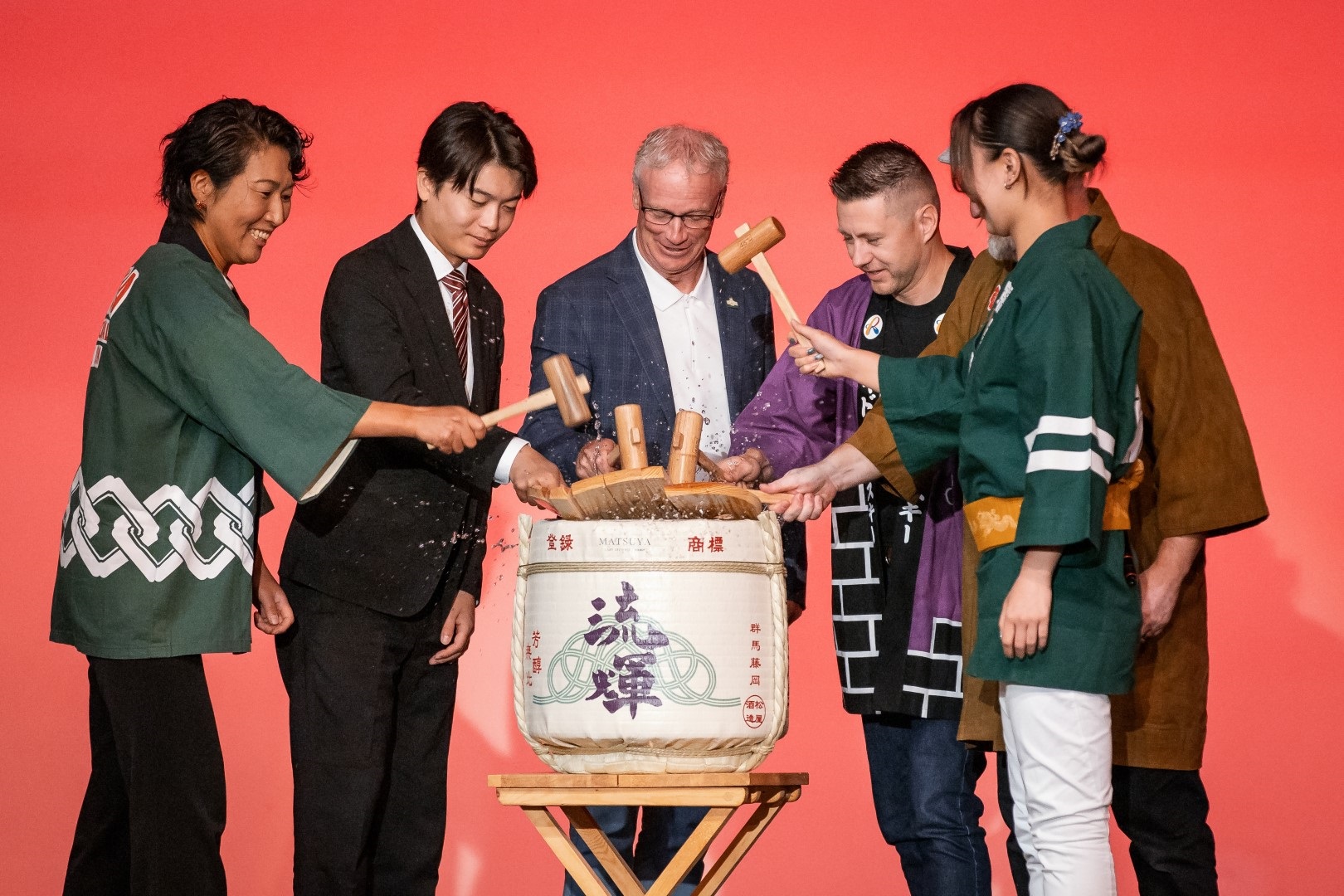
Through gifts, student exchanges, books, photography and community celebrations, Regina and Fujioka’s friendship continues to grow across generations. A symbol small enough to hold in your hands can connect places separated by borders, languages and a wide stretch of sky.
Across Saskatchewan and Japan, these connections have grown through schools, cultural organizations, volunteers, performers, families and exchange opportunities. Together, they create spaces where people can learn from one another, share traditions across generations and turn formal relationships into personal ones.
When students and teachers from Regina, Saskatchewan and Fujioka, Japan come together through the Regina-Fujioka Student Exchange Program, the objects they exchange are more than souvenirs. Each one can represent the people who selected it, the place it came from and the hope that a relationship will continue after a visit has ended.
For visiting Grade 7 and 8 students from Japan, those symbols may also become reminders of particular Saskatchewan experiences: noticing Japanese cars on the roads, visiting Mosaic Stadium to catch a Saskatchewan Roughriders game or remembering the moment a host, classmate or community member made an unfamiliar place feel welcoming.
The Regina-Fujioka Student Exchange Program is one of the most visible ways this friendship comes to life, especially for young people and families. It sits within a wider network of Japanese language learning, cultural organizations, volunteers and community groups that continue to create opportunities for people to meet, learn and return. Through that relationship, a gift becomes more than an object. It can hold a story about home, invite a question and begin a conversation between people who might otherwise never meet.
The Regina-Fujioka Student Exchange Program began in 1991 and demonstrates the lasting nature of the bond between the two communities. It has direct support from school boards in both communities and a growing list of alumni.
The Regina Fujioka Friendship Committee (RAFFCOM) and Regina Japanese Culture Club (RJCC) have also helped to foster this friendship between two cultures. Since then, through the efforts of several individuals, youth delegations, families, and community organizations, strong personal ties have been added that keep the bond active. English-language books from Regina have been shared among schools in Fujioka, while Japanese children’s books arriving in Regina are hosted in the Regina Public Library’s collection. These exchanges become even more meaningful when the local Regina delegates offer to read said books aloud for students in Japanese classrooms, turning books into shared stories rather than objects passed from one place to another.
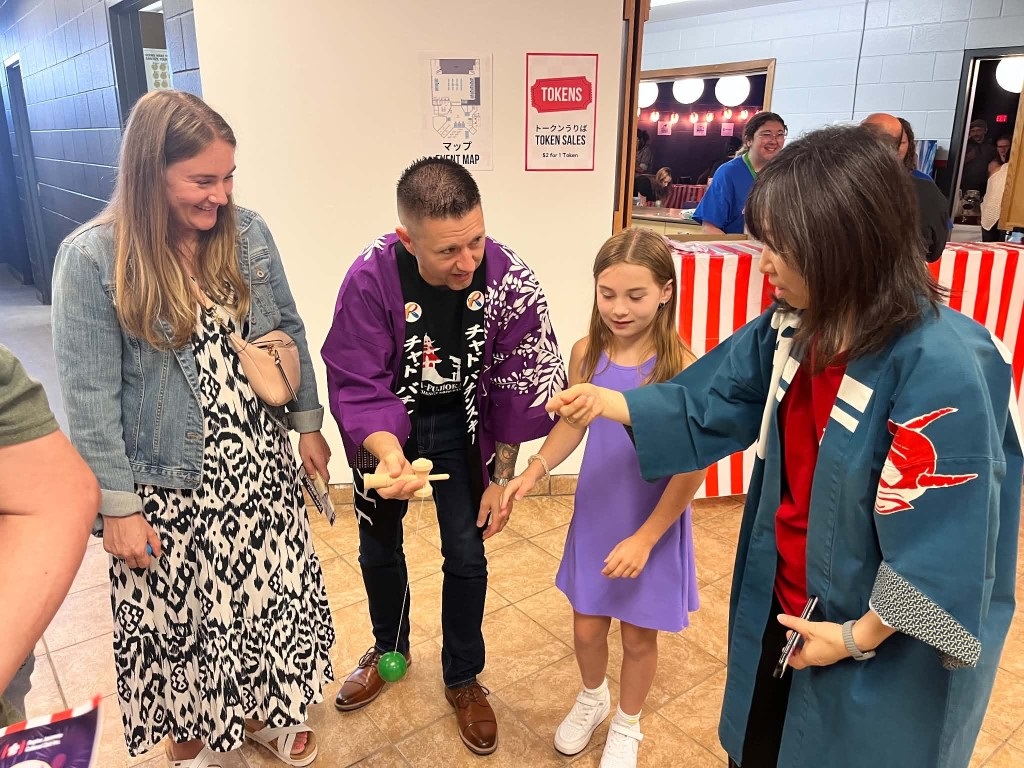
The friendship between Regina and Fujioka has grown through many kinds of exchange, not all of them formal or city-to-city. Some gifts have come from municipalities, others from friendship committees, visiting delegations and individuals who wanted to share something personal about their home. A plush Black-capped Chickadee, Regina’s official municipal bird, was presented to the City of Fujioka on behalf of RAFFCOM. Its meaning was rooted in Regina’s identity, while its plush format also felt fitting for Japan’s affection for cute or kawaii characters. A Roughriders jersey was shared separately as a City of Regina gift from Mayor Chad Bachynski to Fujioka’s mayor, Masahiro Arai. Its green colour happened to match the mayor’s campaign colour, a coincidence that added a memorable detail to the story. Regina-branded scarves, clothing and other keepsakes also helped carry a piece of the city across the Pacific. In return, Mayor Arai also sent Mayor Bachynski a traditional happi coat, a short Japanese festival jacket often worn during community celebrations, which he wore to the recent Regina Matsuri Japanese festival.
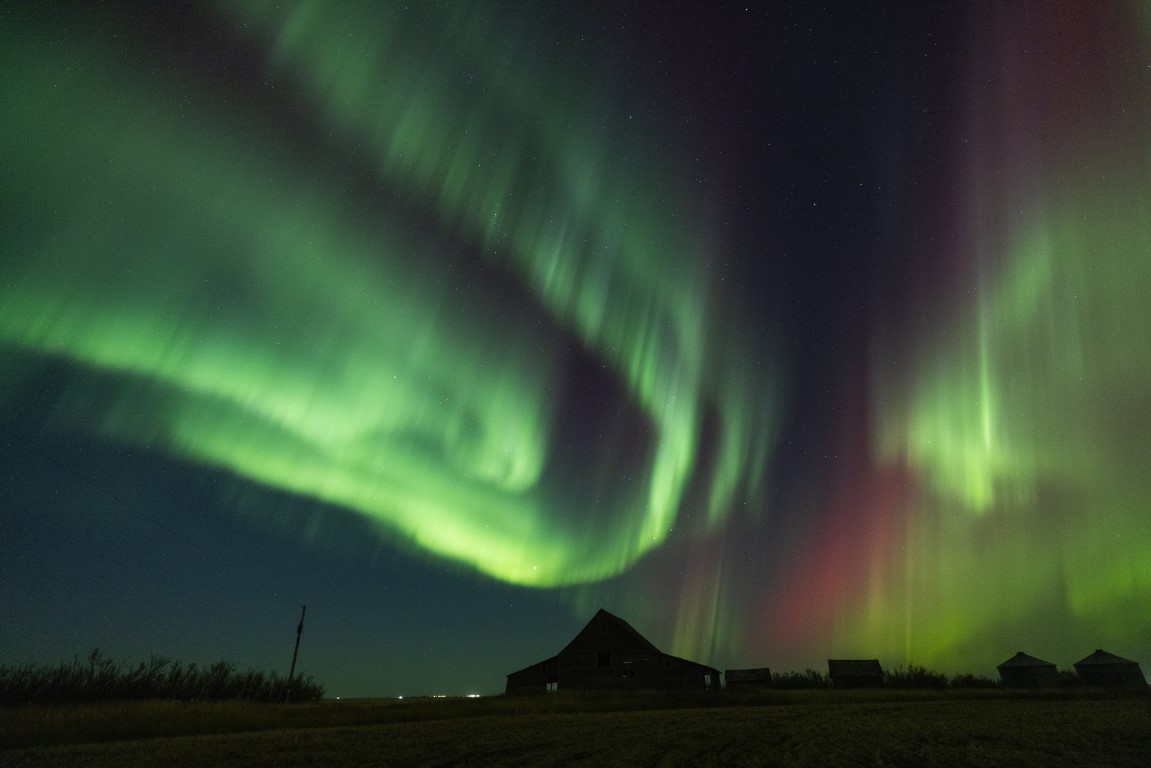
Dan Shier, Communications Consultant at the City of Regina and a member of RAFFCOM, also brought prints of his own Saskatchewan landscape photography as personal gifts, including images of sunsets, Northern Lights and wide-open prairie scenes. Rather than relying on the familiar Canadian imagery of mountains or major city skylines, these photographs offered a more intimate view of the Saskatchewan he knows. They connected naturally to the impressions Fujioka students later shared about Saskatchewan’s flat horizons, open landscapes and living skies.
The gifts exchanged between Regina and Fujioka are not limited to objects. They can also take the form of food shared, stories read aloud, places introduced and time spent welcoming one another. Fujioka’s hospitality included local strawberries and strawberry-themed omiyage, the Japanese word for a small gift or souvenir often shared with others. Canadian treats, handmade good-luck cards, classroom visits and English-language children’s books added further layers to the exchange, turning simple gestures into lasting invitations for conversation.
Residents can stop noticing the details that make it distinctive. A visitor often sees them immediately.
For the students visiting from Fujioka, Saskatchewan offered both familiar agricultural views and intriguing differences. Some noticed the colourful sunsets. Others were surprised by how meat was cut, portioned and served compared with what they were used to in Japan. Their answers show that the exchange was not only about seeing a new place. It was also about noticing what felt familiar, what felt different and how each experience connected back to home.
“I wish I could have seen the Northern Lights while I was here too.”
—Junnosuke, Regina Fujioka Student Exchange Program
“Turns out we both like to play video games and have sushi on New Year’s Eve.”
—Gavin, Regina Fujioka Student Exchange Program
Interview responses were translated from Japanese where necessary by Madoka Otani of RFSEP and lightly edited for clarity by Kalyna Hudym of Tourism Saskatchewan
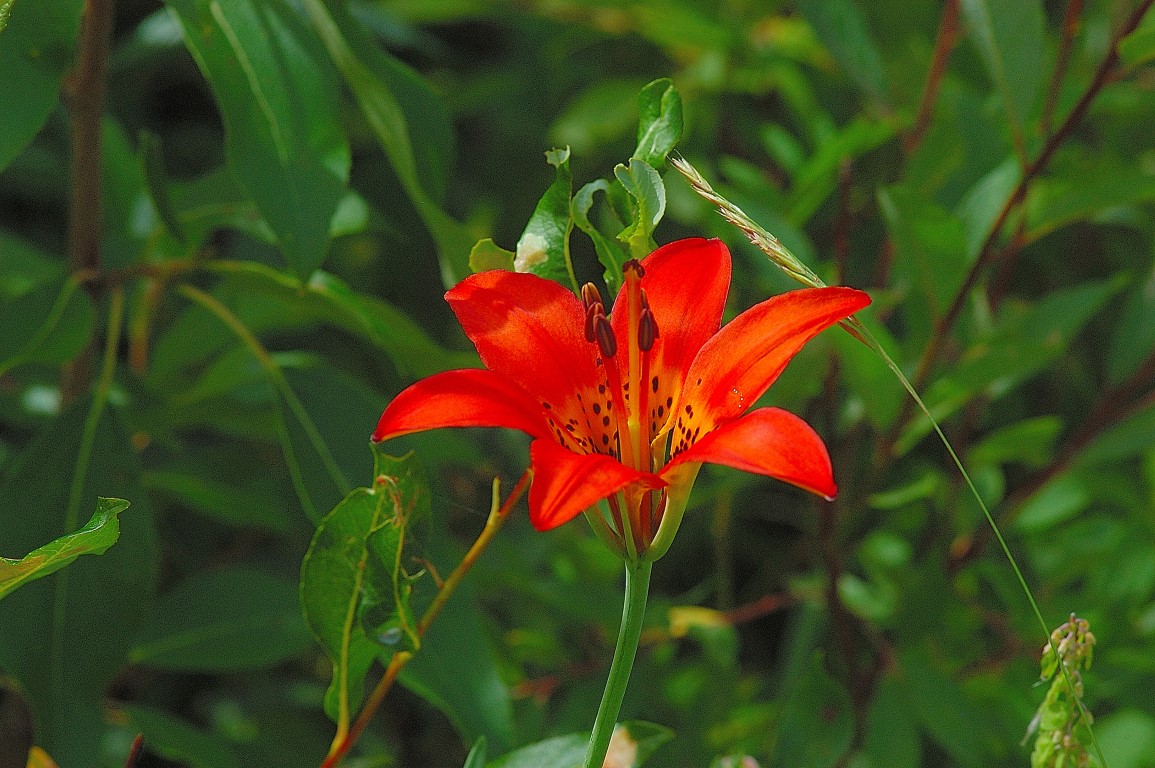
Every community has symbols that help tell its story. Saskatchewan has the Western red lily, while Regina is represented in this exchange through the black-capped chickadee.
Fujioka is represented by the wisteria flower, known as “fuji” in Japanese, and Gunma Prefecture identifies with the copper pheasant for a regional bird. The participating students’ choices reflected that same relationship between people and place, with Regina students naming the western red lily and Fujioka students choosing wisteria as symbols of home.
These symbols may be different, but they share a common purpose: helping people express a sense of home and the visual identity we build between people and the land.
The most lasting part of an exchange may be something that cannot be placed in a suitcase.
Stories travel. Questions travel. Recipes, photographs, words and small habits travel. Students return home with memories of people they met, while Saskatchewan participants gain a more personal understanding of a community elsewhere in the world.
Touring City Hall together and taking in the sea of green at Mosaic Stadium were among the highlights students shared from the exchange. Wide-open highways, unfamiliar trees and Saskatchewan’s night sky also stood out to visitors from Japan. When students were offered postcards to take home and show their families, many chose the one showing the night sky and aurora borealis, echoing the wish one student shared to see the Northern Lights. It became both a memory of Saskatchewan and a reason to return. Friendship is not something one place gives and another receives. It is built through attention, curiosity and exchange.
“One of the best experiences of my entire life. Hosting a student and going to Japan helped me develop independence and gave me a family away from home. I would join this exchange program over and over again if I could, and I would recommend every Grade 7 or 8 student apply.”
—Willow Skagos, Regina Fujioka Student Exchange Program participant
Regina Matsuri marked a triumphant return on Saturday, August 29, after a seven-year hiatus. The festival sold out and reached its 1,000-person capacity, drawing community members, performers and visitors from Fujioka together in celebration of Regina’s Japanese Culture Club and community. This year’s festival also carried special significance, taking place alongside the announcement that September is now recognized as Japanese Heritage Month across Saskatchewan. For Japanese families and communities in Saskatchewan, that recognition helps make their history more visible while creating space for future generations to learn, celebrate and carry it forward.
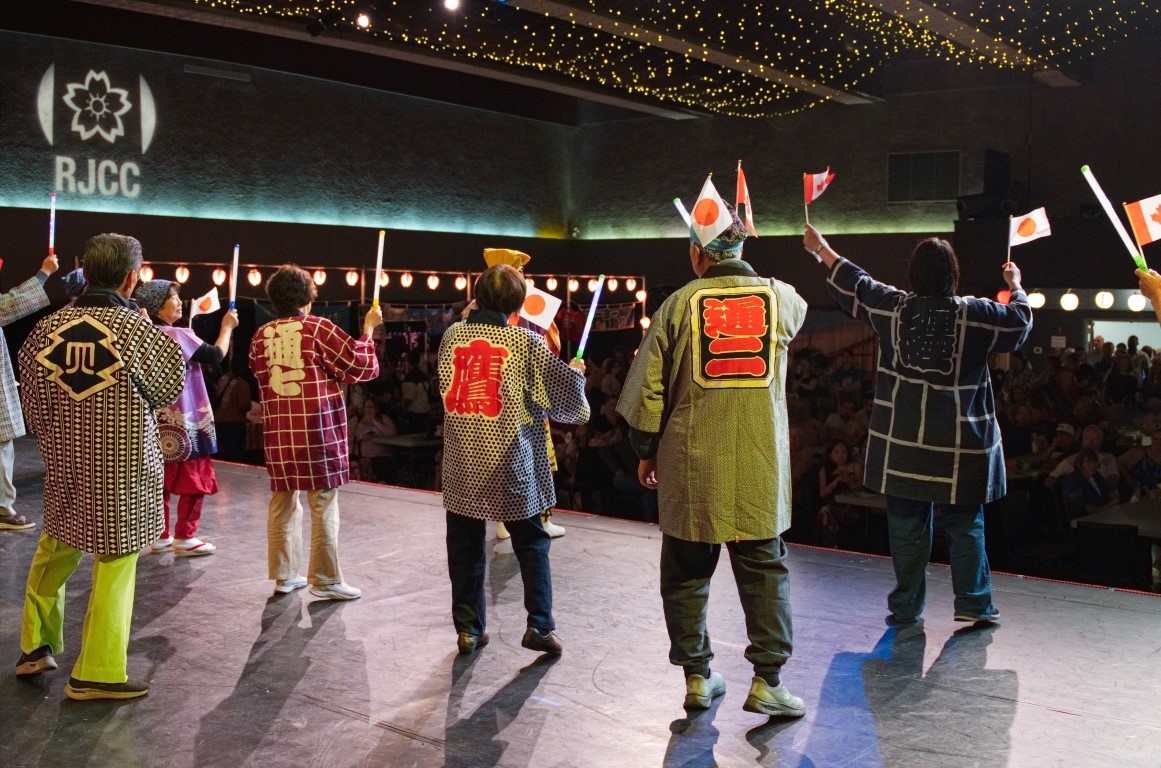
Together, the festival and the new provincial recognition offered another reminder that the Regina-Fujioka friendship is not held by one program alone. It is carried through suitcases, classrooms, kitchens, public celebrations and the people who keep asking how the relationship can grow next.
Under Saskatchewan’s living skies, a bridge does not have to end at the far bank. Sometimes it reaches much farther.


