Jun 23, 2026
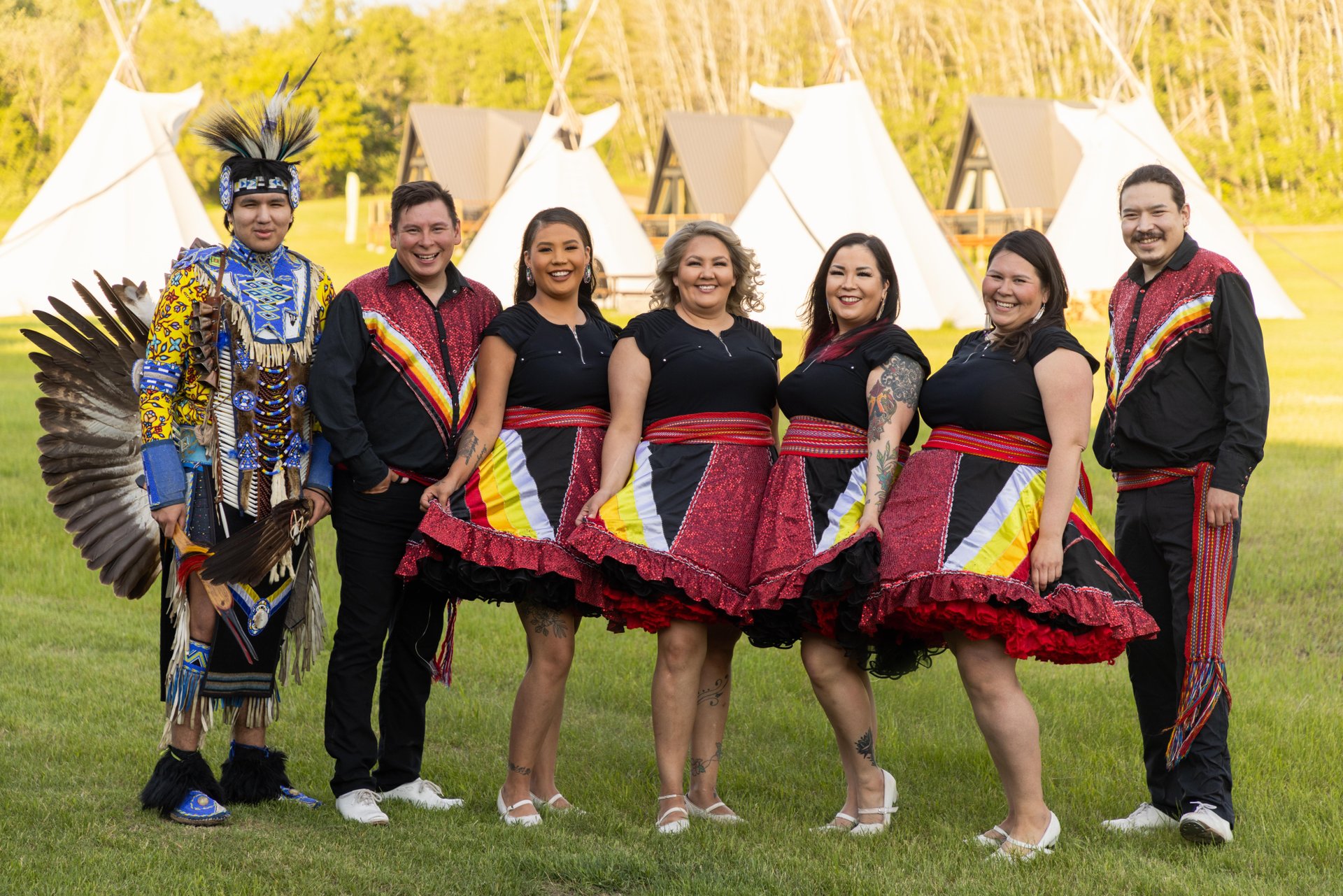
In August 2026, Treaty 6 will mark 150 years since its signing. Treaty 6 spans much of central Saskatchewan across lakes, prairie grasslands, river valleys, parklands, vibrant cities, and even parts of the northern badlands beneath Saskatchewan’s famous Living Skies. This historic agreement continues to shape relationships, responsibilities, and life on these lands today.
This milestone is not a celebration of the past, but an opportunity to reflect, learn, gather, and honour the enduring spirit and intent of the Treaty. From cultural experiences and Indigenous-led tourism to powerful historic sites and immersive events, Saskatchewan offers meaningful ways to deepen your understanding of Treaty 6 and the Nations who continue to carry its teachings forward.
Here are 15 experiences to add to your journey in 2026.
From August 20-23, 2026, all are welcome to gather at the very site where Treaty 6 was first negotiated and signed in 1876. The Treaty 6 150th Commemorative Event will bring together First Nations, visitors, knowledge keepers, youth, artists, and leaders for four days of dialogue, cultural experiences, performances, and education.
Hosted in partnership with Pêmiska Tourism and the Office of the Treaty Commissioner, the event will feature immersive treaty learning opportunities, cultural programming, a Village of Nations, historic interpretation, and one of the largest gatherings at Fort Carlton Provincial Historic Park in generations. Visitors can also witness once-in-150-years moments, including the anticipated return of historically significant Treaty 6 artifacts to the very grounds where the Treaty was first negotiated.
If there is one experience to place at the heart of your 2026 travels, this is it.
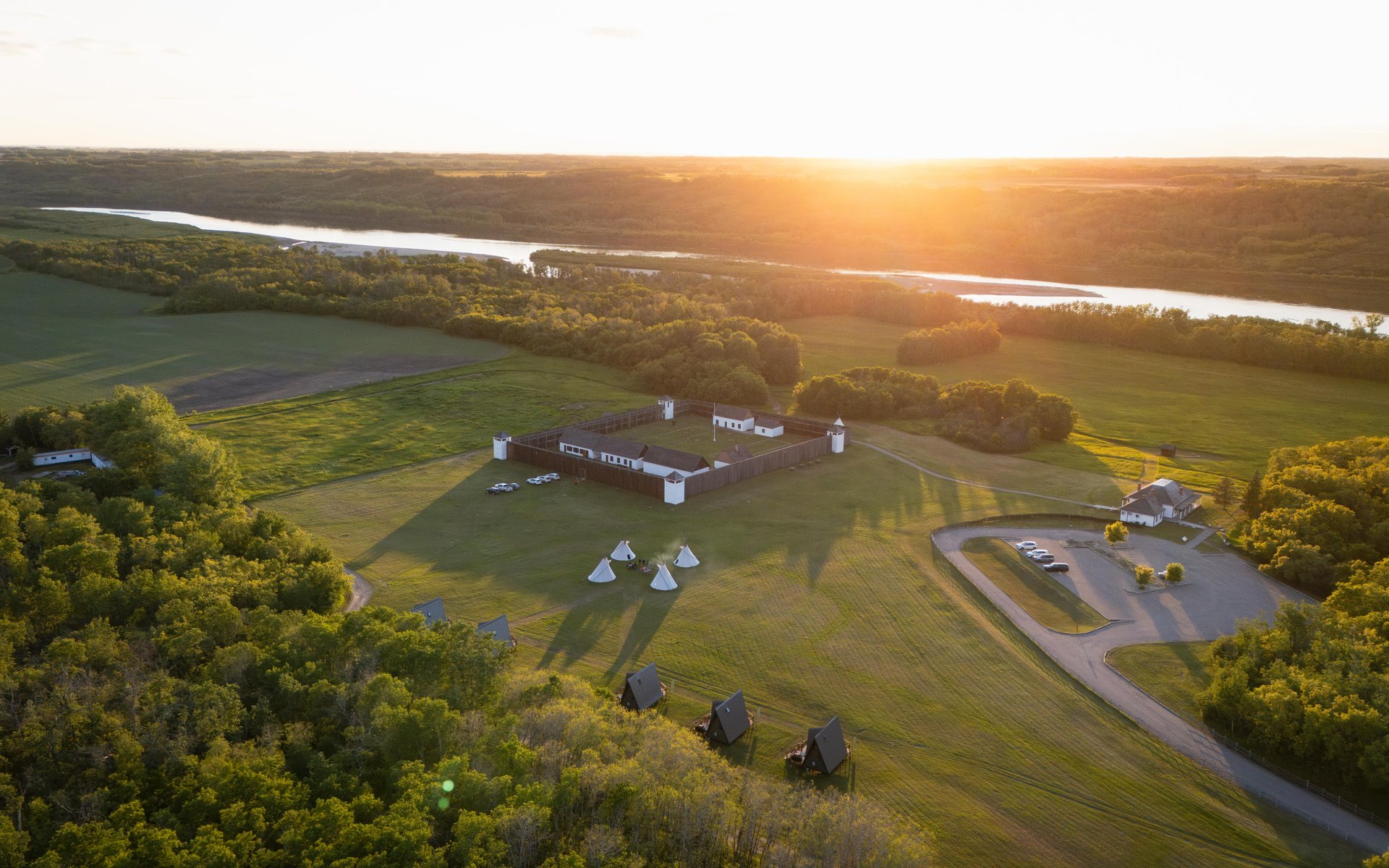
Pêmiska Tourism is owned and operated by Beardy’s & Okemasis’ Cree Nation, whose leaders signed adhesion to Treaty 6 on August 28, 1876. Located inside Fort Carlton Provincial Historic Park, their Signature Lodges offer a rare opportunity to stay directly on Treaty 6 land where history unfolded.
Guests can experience the first permanent Indigenous encampment on the site in over 150 years while enjoying modern, tipi-inspired accommodations designed to connect comfort with culture and place. Wake up overlooking the North Saskatchewan River Valley, explore the historic fort, and spend evenings around the fire beneath Saskatchewan’s Living Skies.
Treaty 6 was signed at Fort Carlton Provincial Historic Park on August 23, 1876, and later at Fort Pitt Provincial Park on September 9, 1876. Visiting Fort Pitt offers important context to the Treaty story and the relationships formed across the territory.
Originally built by the Hudson’s Bay Company in 1829 along the North Saskatchewan River, Fort Pitt served as a key trading and gathering place between Indigenous Peoples and newcomers. Today, visitors can explore the archaeological remains of two former trading posts and follow interpretive signage detailing Fort Pitt’s role in the fur trade, the signing of Treaty 6 and the Northwest Resistance.
Just outside Saskatoon, Wanuskewin offers a comprehensive overview of over 6,000 years of history in this territory. Explore interpretive trails, archaeological sites, traditional knowledge programming, dance demonstrations, art galleries, visit a bison herd, or stay in a traditional tipi while learning about thousands of years of Northern Plains Indigenous history.
The site’s ongoing journey toward UNESCO World Heritage designation reflects its global significance.
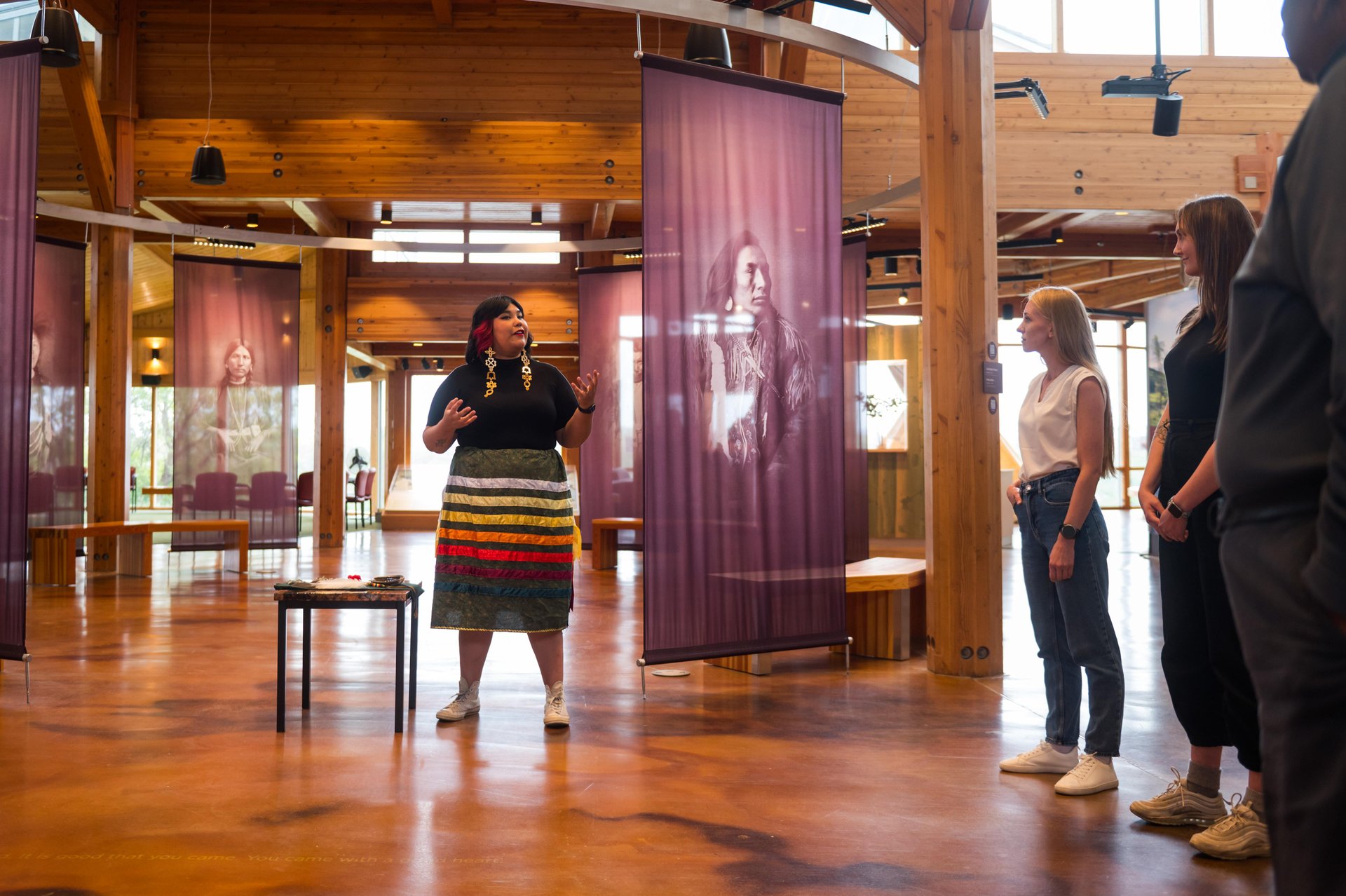
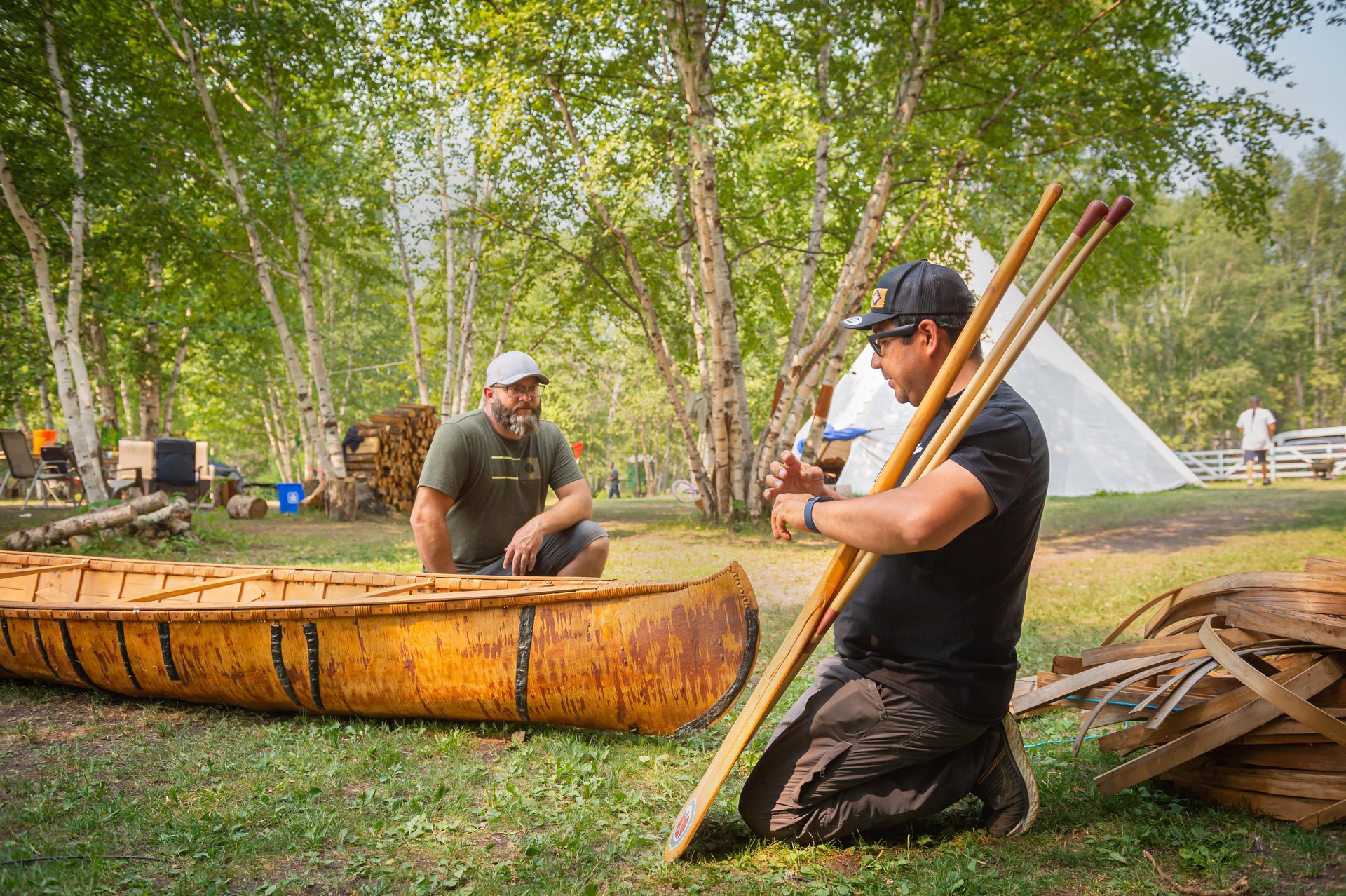
With Pêmiska Tourism, visitors can take part in Treaty Talks, guided historical tours, canoe excursions, and ATV adventures through the landscapes surrounding Beardy’s & Okemasis’ Cree Nation and Fort Carlton Provincial Park. Indigenous guides and storytellers help visitors understand the deep connections between land, language, trade routes, and Treaty relationships.
It’s a chance to experience history not as something frozen in the past, but as a living story.
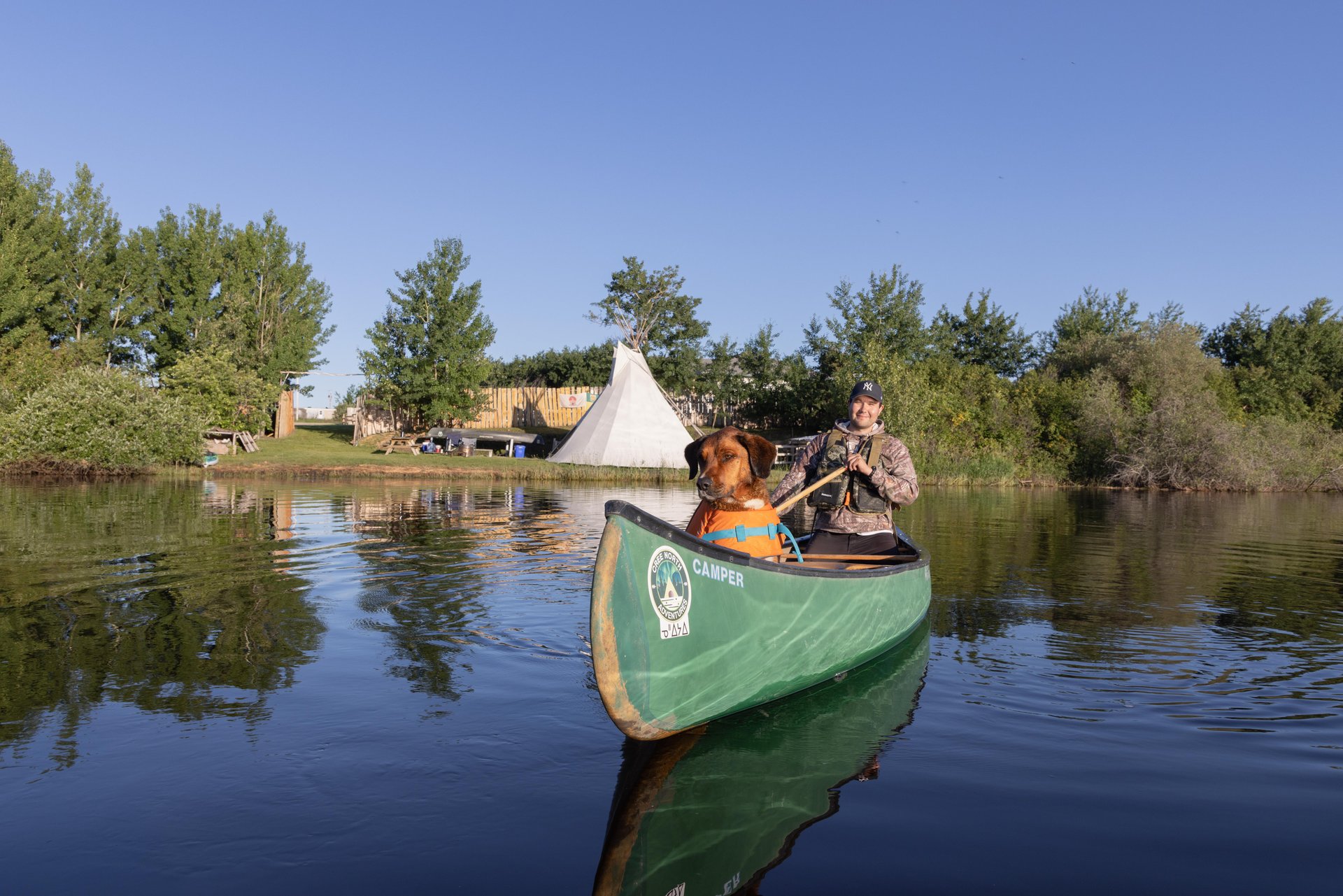
Located in Flying Dust First Nation, Cree North Adventures offers visitors the chance to experience the lakes, forests, and landscapes of northern Treaty 6 territory through Indigenous-led outdoor adventures. Flying Dust Cree Nation signed adhesion to Treaty 6 on September 3, 1878, when Chief Kopahawakenum became a signatory leader to the Treaty.
Canoeing, kayaking, stargazing, and campfire cooking all feel a little different in northern Saskatchewan.
Summer powwow season offers visitors opportunities to respectfully experience song, dance, regalia, and gathering traditions across Treaty 6 territory. Many communities welcome visitors to attend their celebrations and cultural gatherings.
Powwows are living cultural spaces rooted in kinship, protocol, and community connection.
August 21-23, 2026 Beardy’s & Okemasis’ Cree Nation.
Located on Broadway Avenue in Saskatoon, the Wanuskewin Art Collective Gift Shop showcases the work of Indigenous artists and makers from across Saskatchewan and beyond. Visitors can explore beadwork, jewelry, prints, apparel, home goods, and contemporary Indigenous art while supporting local creators and Indigenous-owned businesses.
It’s a meaningful way to bring home a piece of Treaty 6 territory and support Indigenous artistry year-round.
Located in Ministikwan Lake Cree Nation, whose leadership signed Treaty 6 in 1876, kâniyâsihk Culture Camps offers immersive land-based experiences rooted in Cree culture, teachings, and connection to the land. Visitors can take part in cultural workshops, traditional activities, storytelling, and outdoor experiences that reflect generations of knowledge carried within Treaty 6 territory.
It’s an opportunity to slow down, reconnect with nature, and experience Indigenous culture through hands-on learning and community.
Located inside Wanuskewin Heritage Park, Wanuskewin Restaurant offers visitors a chance to enjoy Indigenous-inspired cuisine connected to the stories, ingredients, and landscapes of the Northern Plains.
From bison dishes and bannock to locally inspired prairie flavours, dining at Wanuskewin becomes another meaningful way to experience the living cultures and traditions of Treaty 6 territory. Connecting with bison through food can also become a pathway to reflecting on the dramatic disappearance of bison culture across the Plains during the treaty-making era, and the resilience and adaptation required of First Nations communities during a time of immense change.
As we approach 150 years since the signing of Treaty 6, the Office of the Treaty Commissioner is hosting a 2026 Speaker Series featuring storytelling, educational discussions, and interactive sessions throughout the year.
Join the Office of the Treaty Commissioner and the Western Development Museum as they celebrate the rich histories and traditions of Indigenous Peoples through Storytelling. You can take part the last Thursday of every second month for storytelling, educational sessions, and interactive discussions in-person at the Western Development Museum in Saskatoon or through an online hybrid session.
Located along the South Saskatchewan River in Saskatoon, Remai Modern features contemporary exhibitions from Indigenous artists across the Prairies and beyond. Through painting, sculpture, photography, film, and multimedia works, visitors can experience powerful perspectives that reflect both historical and contemporary Indigenous experiences within Treaty 6 territory.
The gallery has become an important cultural space for storytelling, creativity, and dialogue in Saskatchewan.
At Water’s Edge Eco Lodge and miywâsinôta, visitors can experience Saskatchewan’s northern lakes through Indigenous-led accommodations, cultural experiences, and outdoor adventures rooted in connection to land and community. Both experiences are owned and operated by Waterhen Lake First Nation, which signed adhesion to Treaty 6 on November 8, 1921.
From guided lake experiences and cultural teachings to peaceful stays surrounded by nature, these experiences offer a meaningful way to connect with the living cultures and landscapes of Treaty 6 territory.
Located in the heart of Treaty 6 territory, the Duck Lake Regional Interpretive Centre offers visitors an opportunity to explore the layered histories, cultures, and landscapes that shaped central Saskatchewan. Through exhibits and local storytelling, visitors can learn more about the region’s connections to Treaty 6, Indigenous history, settlement, and the surrounding prairie landscape.
The nearby rolling hills, river valleys, and historic sites around Duck Lake and Fort Carlton remain some of Saskatchewan’s most scenic and historically significant landscapes.
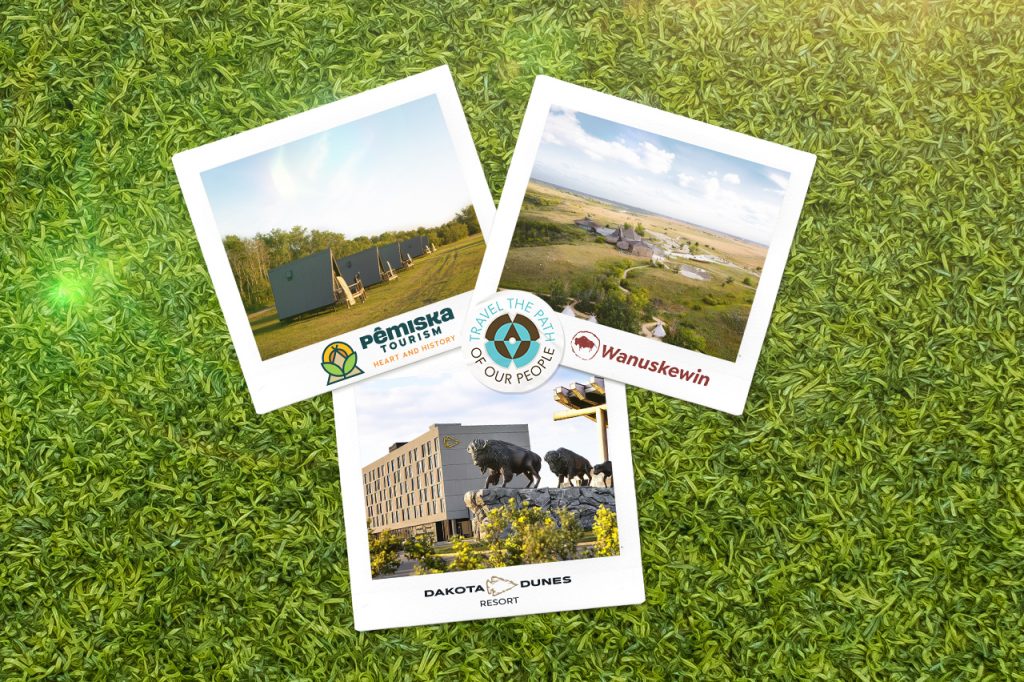
Now open as Canada’s first Indigenous tourism corridor, Kichiota Indigenous Corridor Experience brings together several leading Indigenous tourism destinations across Treaty 6 territory, including Wanuskewin Heritage Park, Dakota Dunes Resort owned and operated by Whitecap Dakota Nation, and Pêmiska Tourism, owned and operated by Beardy’s & Okemasis’ Cree Nation.
Through multi-sensory experiences and adventures, visitors can explore Indigenous perspectives and gain a deeper understanding of the complex realities surrounding 1876 and the signing of Treaty 6: the promises made, the diplomacy between Nations and the Crown, and the differing experiences of Indigenous Peoples across the Prairies, including Nations who were not included within the Treaty process.
Together, the corridor offers meaningful opportunities to reflect not only on Treaty 6, but on the living relationships that continue to shape Canada today.
Tags


