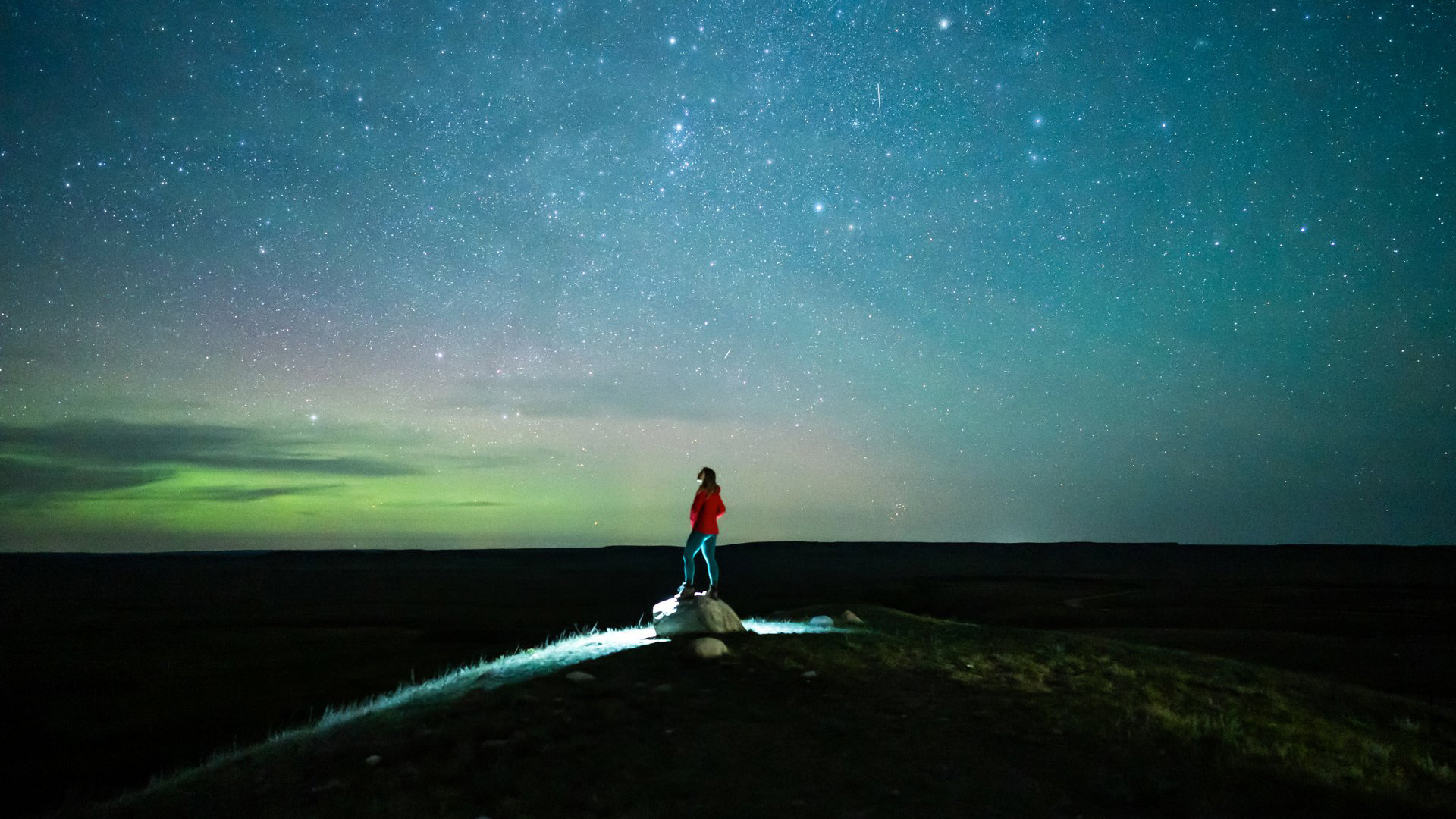
When the sun sets, the night sky is just as expansive and breathtaking as its daytime counterpart, offering one of the best stargazing experiences in Canada, and even the world.
Saskatchewan is renowned for its breathtakingly vast, open skies. When the sun sets, the night sky is just as expansive and breathtaking as its daytime counterpart, offering one of the best stargazing experiences in Canada, and even the world. In this guide, we’ll share valuable tips and advice from amateur astronomer Richard Huziak, helping you make the most of your stargazing adventure. This article will equip you with practical insights to enhance your experience, from the best viewing times to the right gear. Get ready to explore the stars!
About Dark Sky Preserves
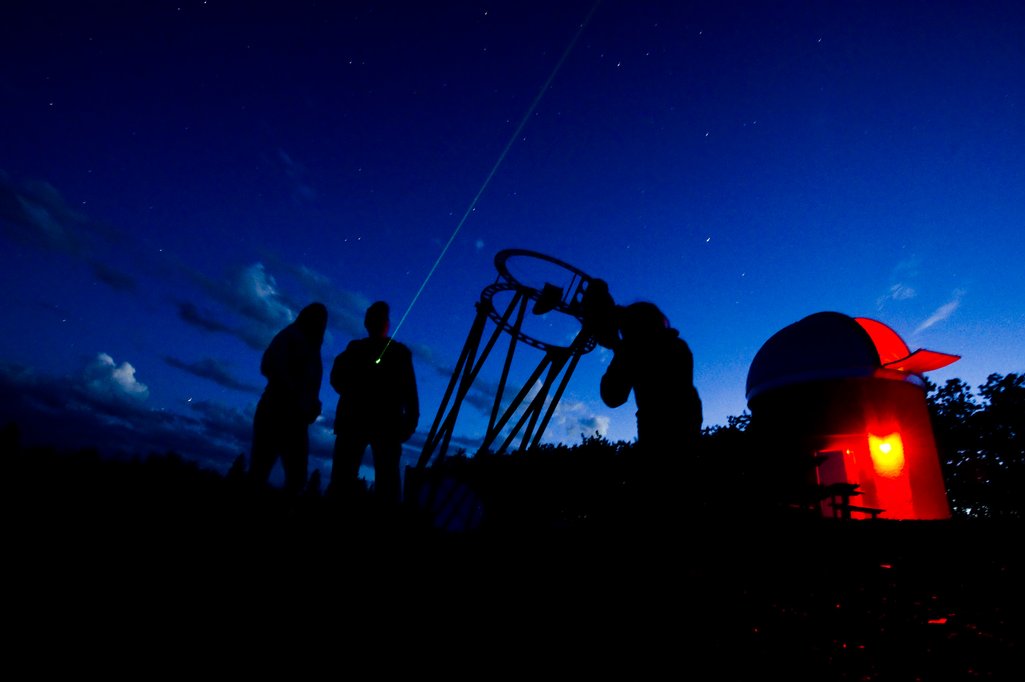
Southern Saskatchewan is home to two Dark Sky Preserves (DSP): Grasslands National Park Dark Sky Preserve and Cypress Hills Interprovincial Park Dark Sky Preserve. These preserves, designated as such by the Royal Astronomical Society of Canada, are protected areas designed to maintain the darkest skies possible. Free from artificial light pollution makes these locations ideal for astronomy enthusiasts and stargazers alike to witness the brilliance of a truly dark sky.
Cypress Hills became Saskatchewan’s first Dark Sky Preserve in 2004, followed by Grasslands in 2009. Preservation efforts not only protect the dark night skies but also support healthier ecosystems by maintaining natural light cycles. As a result, wildlife like the nocturnal Black-footed Ferret, once thought to be extinct in Canada, was successfully reintroduced into the west block of Grasslands National Park.
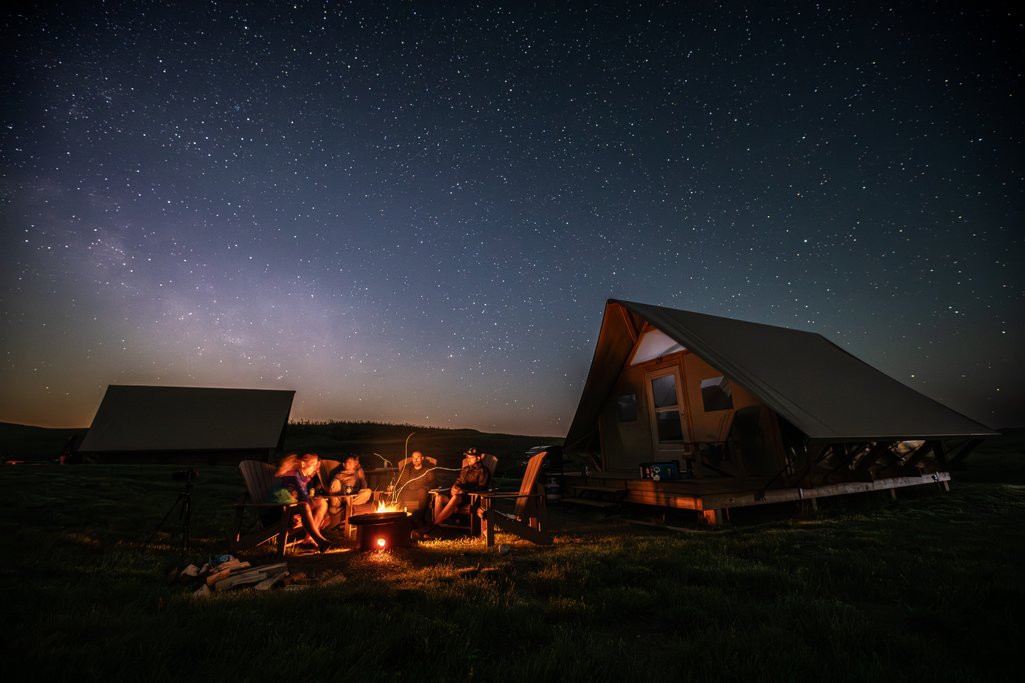
Both Dark Sky Preserves offer amenities and camping facilities, making it easy to immerse yourself in the experience. Whether you’re hiking under the stars or simply relaxing by the fire, these dark skies will leave you in awe of the wonders above.
Stargazing Tips
Here are a few tips from amateur astronomer Richard Huziak, to help you maximize your stargazing experience and guide you through a night at a Dark Sky Preserve.
- Bring a red flashlight: Using a red light doesn’t obstruct your vision the way a blue light does. You can purchase red LED flashlights or use a red filter over a regular flashlight.
- Respect the darkness: Use subtle light, and make sure your light is directed to the ground. This will allow your eyes to stay adjusted to the dark night sky, as well as not obstruct others who may be stargazing near you.
- Bundle up: Stargazing isn’t a high-aerobic activity, and it gets cold at night, even in the summer. Wear warm clothes, shoes and a toque, so that you’re toasty-warm while you watch the stars.
- Bring a blanket: Within Saskatchewan’s Dark Sky Preserves, there is a wide array of grass and vegetation. Bring a blanket so you can lay back, relax and enjoy it!
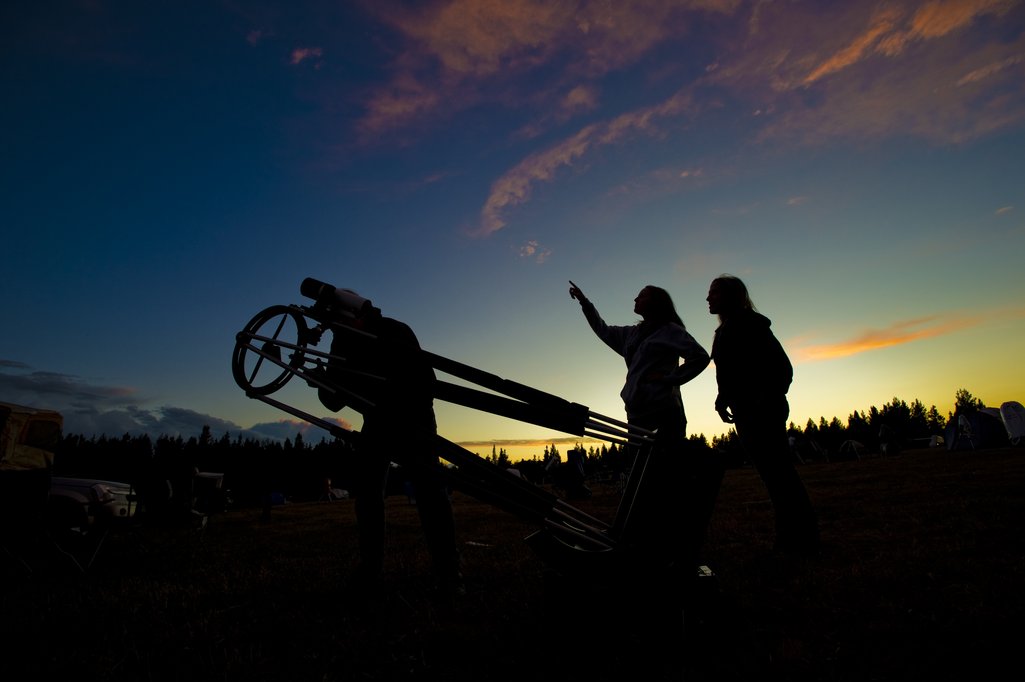
- Get out your binoculars: You can see the stars clearly just using your eyes but bring some binoculars for an extra-vivid light show. No heavy-duty telescope needed – but if you have one, bring one!
- Bring a star chart: A map of the night sky. Star charts will help you locate stars, constellations, and planets. It might look confusing at first, but they’re easy to learn how to use, and available to print-off from many online resources.
- Download a stargazing app: There are many of these apps to choose from, and they make locating stars and constellations easy. Simply hold your phone up to an area in the sky, and the apps will tell you what you’re looking at. If you’re using an app, make sure you set your phone backlight to a red screen, or “night-mode,” to minimize its blue light.
- Let your eyes adjust: It takes 10-30 minutes for your eyes to fully adjust to darkness. Turn off the lights and wait for your eyes to get used to the night for the best view of the stars.
What to Look For
With skies so full of life and wonder, it’s exciting to know what you’re looking at – or looking for. Here are a few things that you’ll notice while you’re marveling at the skies in a Dark Sky Preserve.
- The Moon: In a Dark Sky Preserve – especially during a full moon – after your eyes adjust to the night sky, you can see your surroundings fully lit up from just the light of the moon. When the moon is this bright, it also means the stars might be less vivid due to the moonlight. For the clearest look at the stars, it is best to stargaze before, during and after a new moon phase. This will limit the amount of moonlight from drowning out the stars.
- Planets: There are five planets in our solar system that are easily observed without a telescope – Mercury, Venus, Mars, Jupiter and Saturn. While stargazing, look for stars that stand out and look brighter than others. These are often planets! Use a star chart or star gazing app on your smart phone to confirm if the bright star you see is a planet.
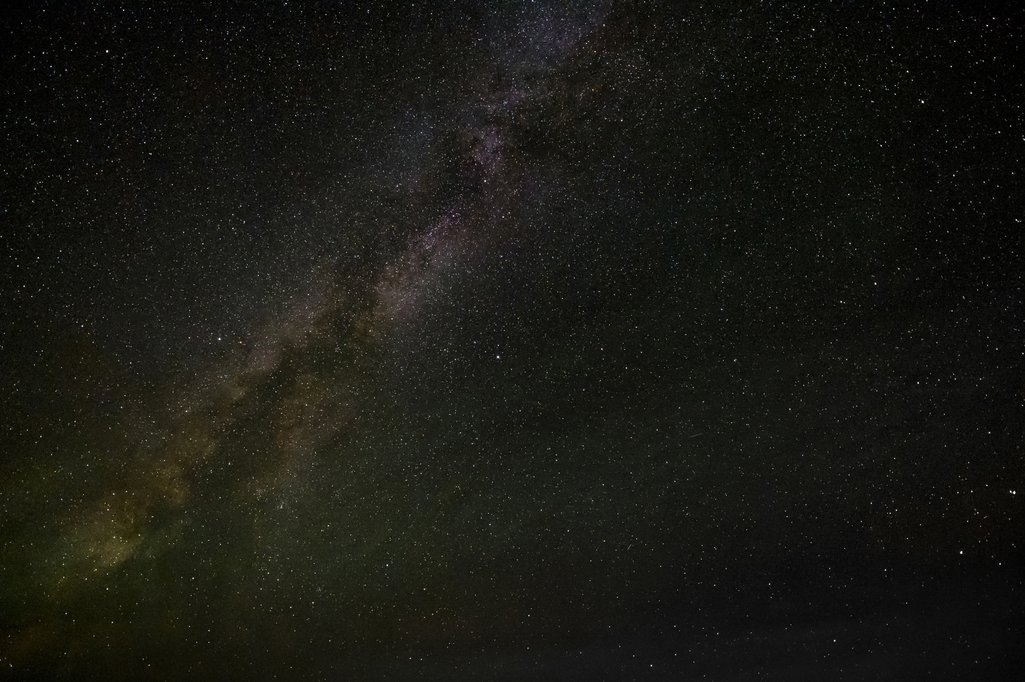
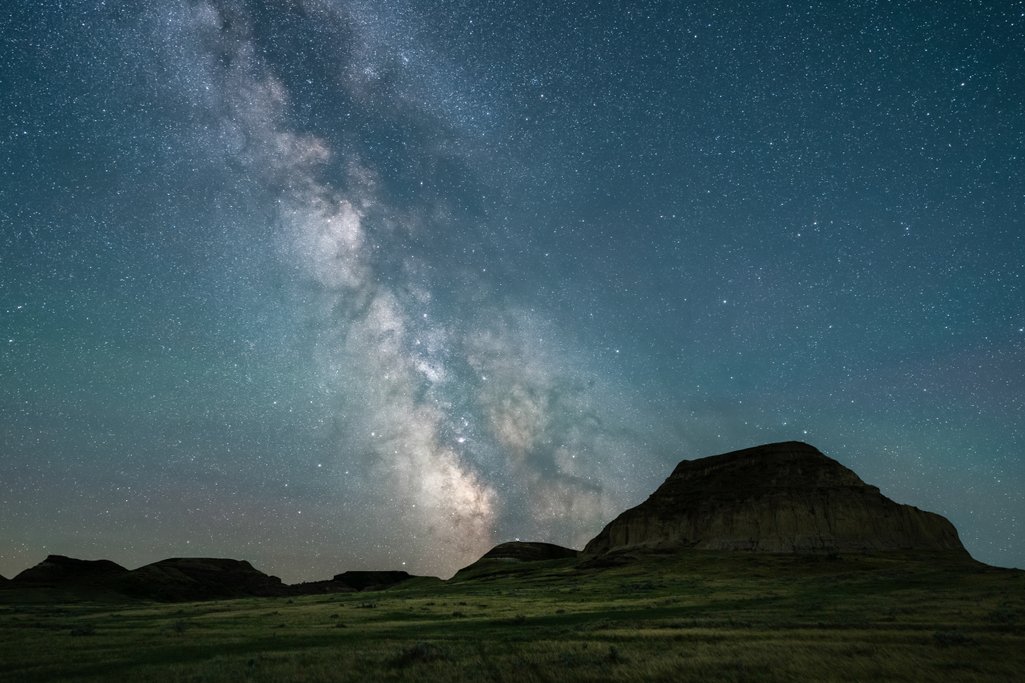
- The Milky Way: In Saskatchewan’s Dark Sky Preserves, the Milky Way is a stunning and easily visible feature of the night sky. The Milky Way is our home galaxy, a vast collection of billions of stars, dust clouds, and gas bound together by gravity. When viewed from Earth, it appears as a broad, milky-white band stretching across the sky, made up of countless distant stars too faint to see individually. On particularly clear nights, especially in the darkest hours, you can even make out the intricate dust clouds that obscure portions of the stars.
- The Ecliptic Plane: An imaginary plane on which the Earth orbits around the Sun. This plane also extends to the planets within our solar system. If you’re facing south, it can usually be observed halfway up the sky. You can define the ecliptic plane by tracing lines between the planets that you can see.
- Constellations: The position of constellations changes from your perspective on Earth, depending on the time of night. Use your stargazing app, or your start chart to locate the pattern of the stars.
- Northern Lights: While Grasslands and Cypress Hills Dark Sky Preserves are located in southern Saskatchewan, you can often see a green glow when looking north. This glow is from the Aurora Borealis, often referred to locally as the Northern Lights. The light may obstruct the darkness of the night sky, but they are a beautiful sight to experience.
Ready to Explore Saskatchewan’s Night Sky?
Whether you’re watching the Milky Way stretch across the horizon, spotting constellations, or catching a glimpse of the northern lights, the beauty of the night sky in Saskatchewan’s Dark Sky Preserves is clear to see. By following these tips shared by amateur astronomer Richard Huziak, you can maximize your experience and fully immerse yourself in the wonders of the universe.
Start planning you’re your stargazing adventure today!