Sep 28, 2026
Fall migration is unfolding across Saskatchewan in waves, bringing everything from warblers and sparrows flitting through urban parks to raptors, geese and cranes gathering overhead. A quiet park can suddenly fill with songbirds overnight, while wetlands and river valleys become staging areas for ducks and geese travelling south from the boreal forest. Recent eBird reports from Regina, Moose Jaw, Saskatoon and Prince Albert offer a glimpse of what is passing through now and what birdwatchers can expect as we head into October.
Wascana Marsh is holding a varied mix of waterbirds. This week, one eBird checklist included 82 American Coots alongside Gadwalls, American Wigeons, Blue-winged Teal, Northern Shovelers and Mallards. Greater and Lesser Yellowlegs have also been reported, a reminder that some shorebird migration continues well into September.
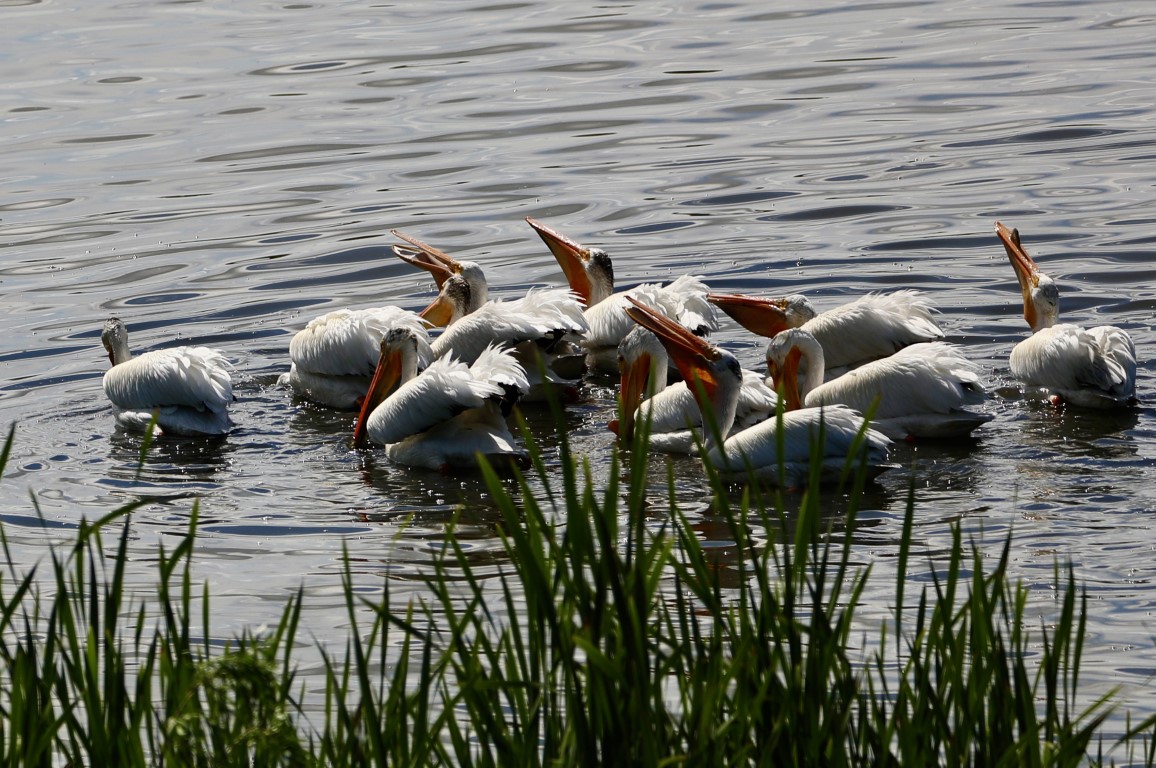
American White Pelicans, Double-crested Cormorants, grebes, Black-crowned Night-Herons and Great Blue Herons remain, but their window is narrowing as autumn advances.
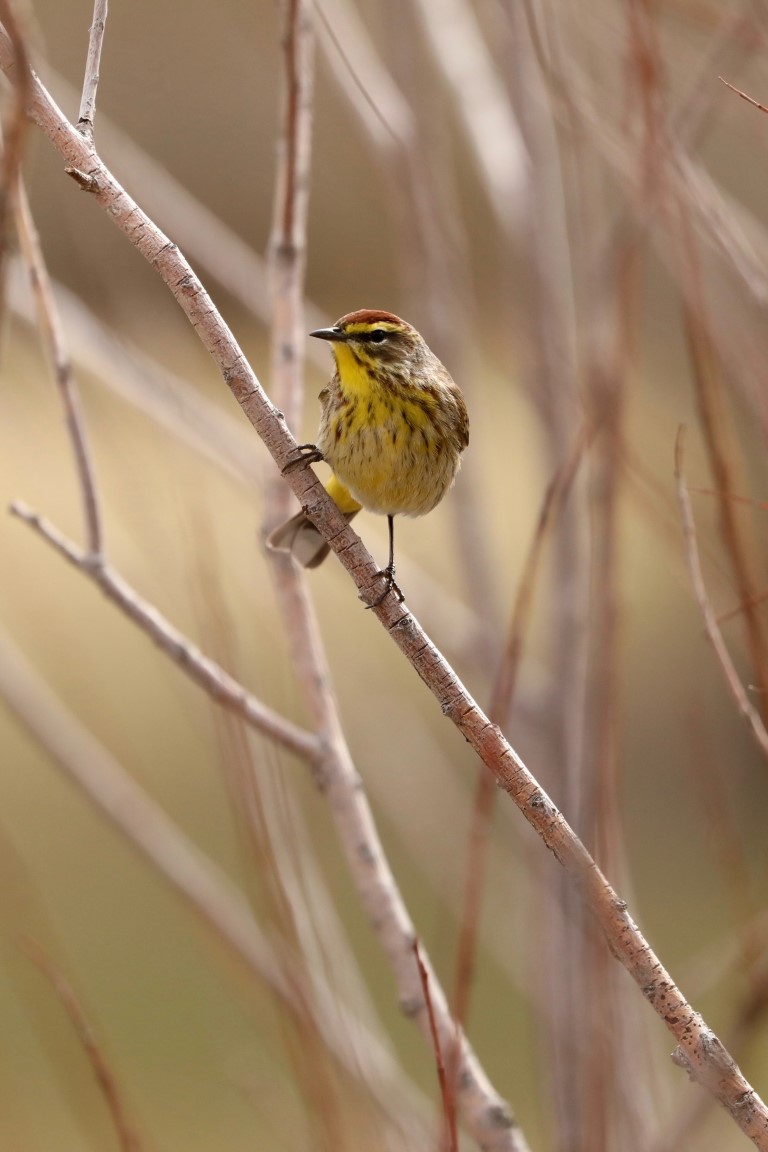
In the trees and shrubs surrounding Regina’s waterways, White-throated, Lincoln’s and Chipping Sparrows are moving through. Boreal Island has hosted Common Yellowthroats along with Palm, Orange-crowned and Yellow-rumped Warblers. Yellow-rumped Warblers are among the hardier warblers, able to supplement their insect diet with berries and remain after many other species have departed. Canada and Cackling Geese are also staging in large numbers there and in Lakeridge Park, where Eastern Phoebes have also been spotted.
Other sightings of Eastern Towhee and Broad-winged Hawk add to the excitement, while the arrival of Dark-eyed Juncos offers a reliable, if inevitable, reminder that winter is not far behind.
Thanks to its wooded river corridor, Moose Jaw’s Wakamow Valley offers similar opportunities. Shrubs and thickets are hosting White-throated, White-crowned, Lincoln’s, Song and Chipping Sparrows alongside Orange-crowned and Yellow-rumped Warblers.
Gray Catbirds are still around, although far quieter than during spring. A Yellow-bellied Sapsucker has recently been spotted and Northern Flickers and both White-breasted and Red-breasted Nuthatches are appearing in increased numbers.
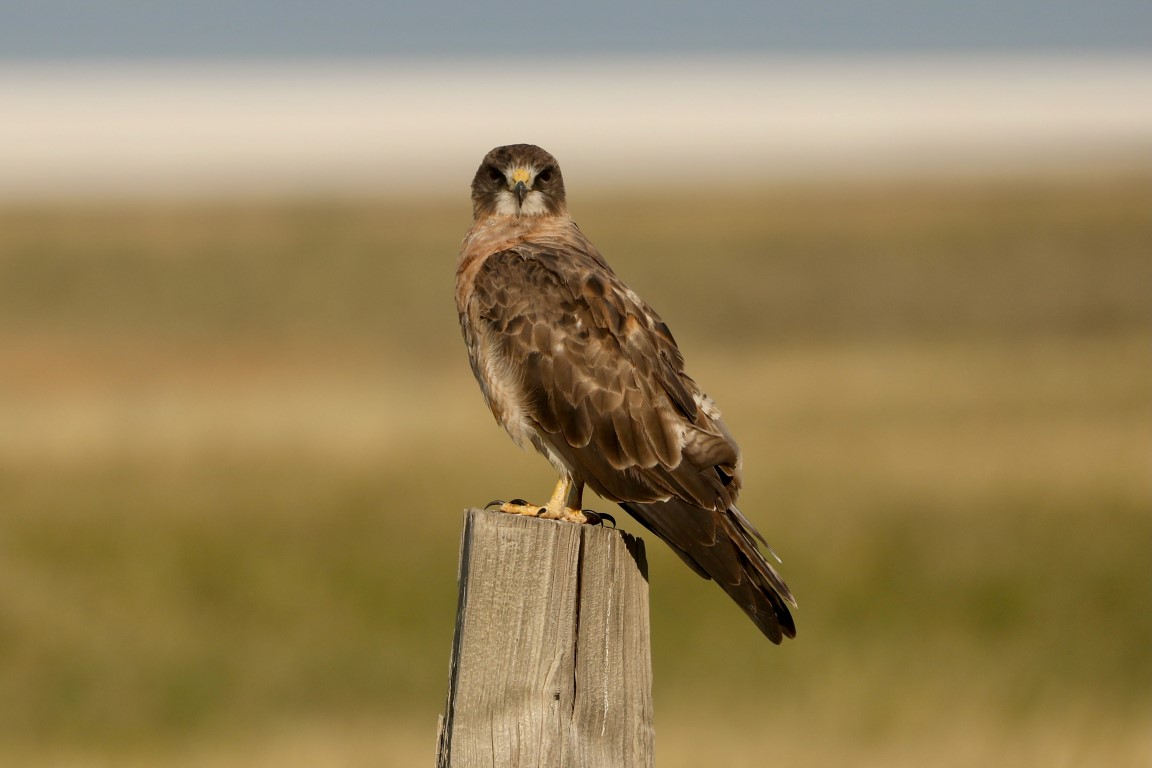
Migration is happening above the treetops too. Several Swainson’s Hawks have been observed around Happy Valley. These remarkable long-distance migrants leave the Prairies for South America and can gather in large kettles during migration. Keep an eye on farm fields during harvest as well. Raptors often take advantage of prey exposed as combines move through the fields.
Flocks of Cedar Waxwings and Pine Siskins continue to be spotted in both Regina and Moose Jaw.
Saskatoon's position along the South Saskatchewan River, combined with mature urban green spaces, nearby wetlands and agricultural land, creates a rich mixture of migration habitat.
At Forestry Farm Park, a late September report included 62 Cackling Geese and 40 Canada Geese along with Turkey Vulture, Sharp-shinned Hawk and Swainson’s Hawk.
Within the park, Swainson’s Thrush, Ruby-crowned Kinglet and Northern Waterthrush have been recorded, alongside many of the same warbler and sparrow migrants moving through Regina and Moose Jaw.
Overhead, Snow Geese and Greater White-fronted Geese are beginning to congregate, signalling the mass waterfowl migration that will fill Saskatchewan skies through October.
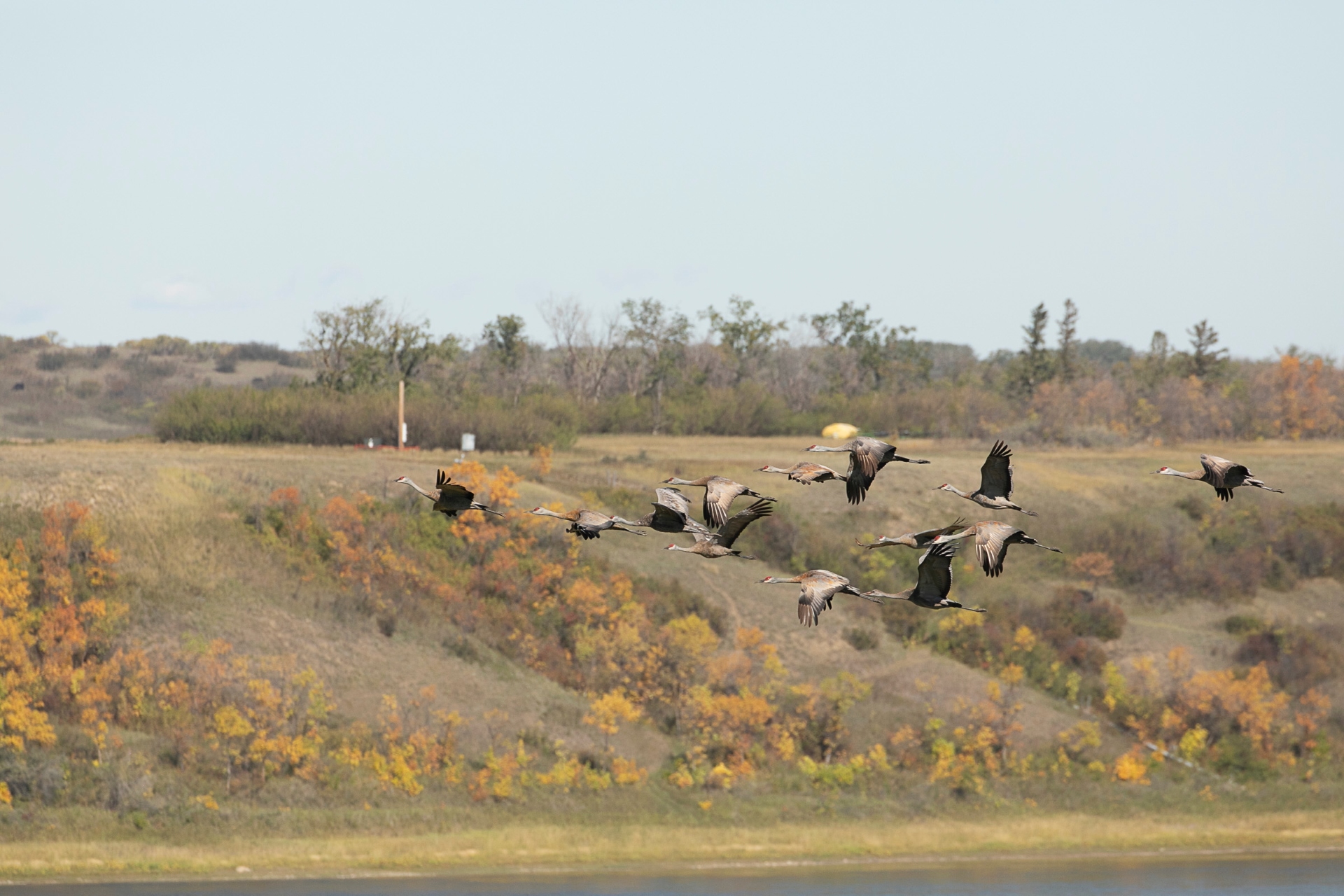
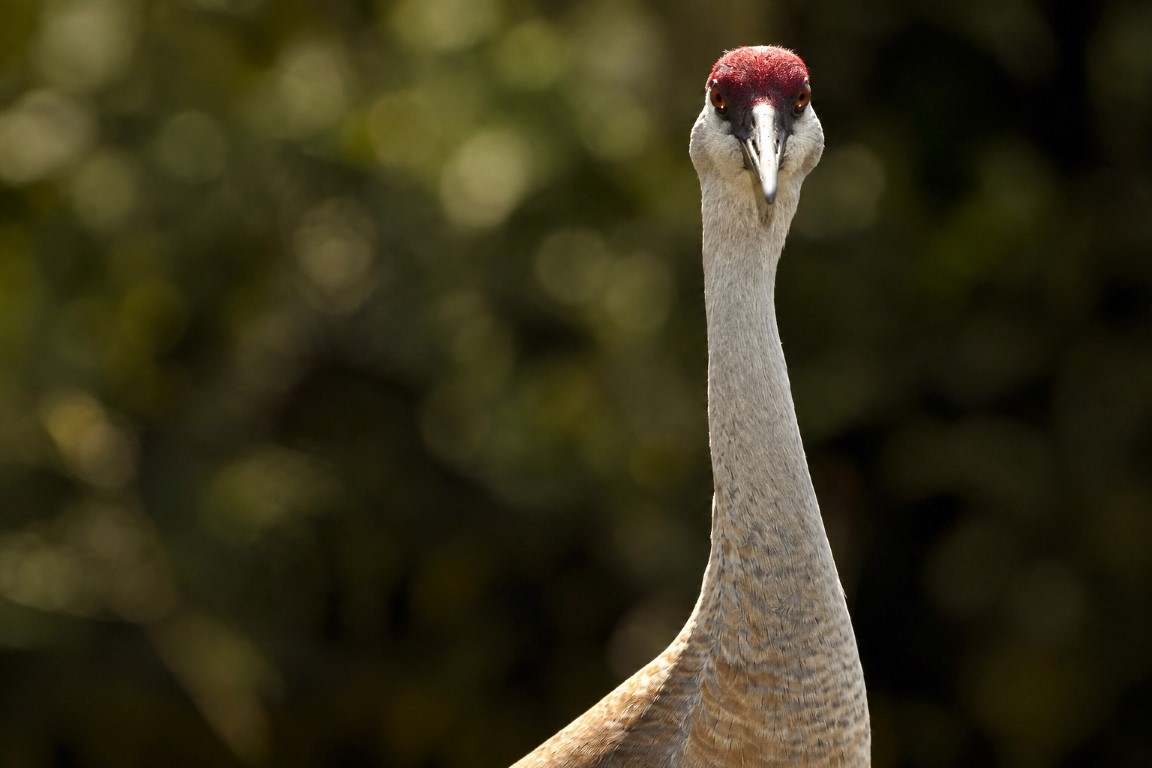
And then there are the cranes. Sandhill Cranes are already gathering around Saskatoon, where harvested agricultural fields and shallow water provide both food and shelter. The Saskatoon Nature Society held a September 23 outing at Chief Whitecap Park to watch Sandhill Cranes near a river roost close to the city, and crane viewing and photography outings are currently taking place around Saskatoon and Pike Lake. Adults are noticeably taller and predominantly white, with black wingtips that are conspicuous in flight, while juveniles show varying amounts of cinnamon-brown plumage.
Prince Albert offers a distinctly boreal version of urban migration.
At Little Red River Park, a September checklist included Black-backed and Pileated Woodpeckers, Canada Jays, Boreal Chickadees and both Golden-crowned and Ruby-crowned Kinglets.
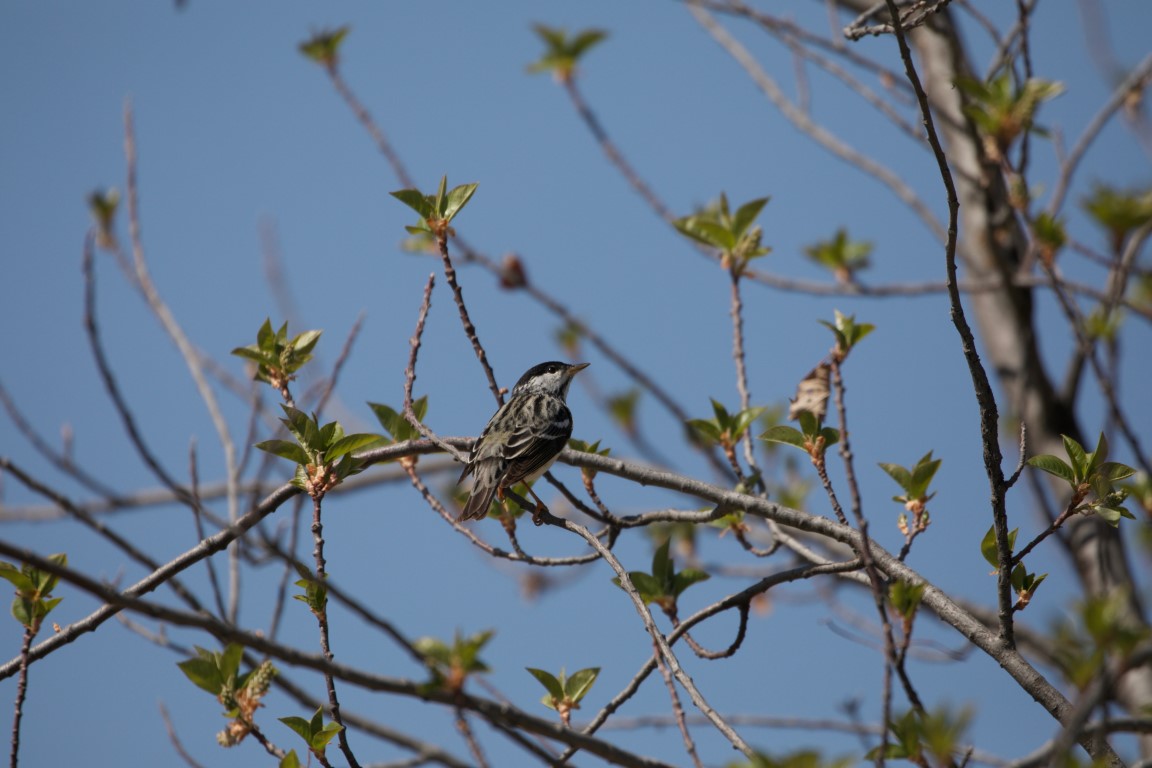
Long-distance migrants were mixed among forest birds, including Blackpoll and Palm Warblers and an impressive number of Yellow-rumped Warblers—74—along with groups of White-throated Sparrows and Dark-eyed Juncos.
Neat fact: Blackpoll Warblers breed across Canada's boreal forest, but during fall migration many eventually reach the Atlantic coast before undertaking an extraordinary non-stop flight over the ocean toward northern South America.
The same Prince Albert report included 140 Pine Siskins along with Red and White-winged Crossbills. Numbers of these seed-eating species can vary dramatically from year to year depending on cone and seed crops. An early Snow Bunting was also reported, marking another sign of shifting seasons. These Arctic-breeding birds move south into Saskatchewan as autumn advances and will become far more abundant as temperatures dip.
If you do not have time to escape the city for a full day of birdwatching, there is still plenty happening close to home.
By October, migration here will shift again as most insect-eating warblers and many long-distance migrants will have continued south, while waterfowl numbers build on lakes, reservoirs and ponds.
Listen for noisy formations of Canada, Cackling, Snow and Greater White-fronted Geese and the unmistakable gurgling purr of Sandhill Cranes.
American Tree Sparrows, more Dark-eyed Juncos and Snow Buntings will begin appearing. Rough-legged Hawks may arrive from the Arctic and Bohemian Waxwings will eventually begin turning up around fruit-bearing trees. Flocks of American Robins will gather and fill the trees where berries remain.
These reports illustrate how valuable Saskatchewan's cities can be as migration stopover points, providing places for birds to feed, rest and shelter during journeys covering thousands of kilometres. For the next several weeks, migration may be as close as your nearest park, pond, or berry-covered tree in your backyard.
TIP: If you use eBird, set up rare bird alerts for your region or for Saskatchewan. It is a great way to discover what is moving through in real time.
Recent rare bird alerts reported for Saskatchewan cities (at the time of publishing):
 Jenn Smith Nelson is the founder of nature-based tour company, the Wild View, and a seasoned freelance travel wildlife writer and photographer. She also co-authored 110 Nature Hot Spots in Manitoba and Saskatchewan.
Keen to see what’s flying in? Check out the many different tours offered by thewildview.ca.


