Jul 23, 2026
Ask any birder when birdwatching is at its best in Saskatchewan, and they’ll probably say spring or fall migration.
They aren’t wrong.
There's a certain delight that comes with witnessing hundreds, or even thousands of birds moving through Saskatchewan landscapes. I admit that every spring and fall, I’ve found myself heading out during these favourable times – chasing migration, eager to see an abundance of species before they move on.
But after spending this spring and summer leading birdwatching tours, I’ve become convinced that many folks, me included, may have been overlooking one of Saskatchewan's most rewarding seasons to observe birds and bird behaviour.
Summer.
Though nesting and breeding can run May throughout August, peak activity tends to occur June through July.
For years, I viewed the warmer months as the quiet period between migration seasons. What I’ve discovered instead over the past several summers is that the breeding and nesting season offers something migration doesn’t: a glimpse into birds' habits, private family lives and struggles.
Rather than simply identifying species, I’ve found myself captivated by parents tirelessly gathering insects, fledglings taking their first uncertain hops through the grass, and fierce battles playing out across marshes, grasslands and wetlands. Rather than simply observing birds, I've been watching families.
And that's a completely different experience – one that has shifted my views on seasonality, how I approach birdwatching and what I hope to share with others. Let’s just say, I learned a few things.
A few moments stand out.
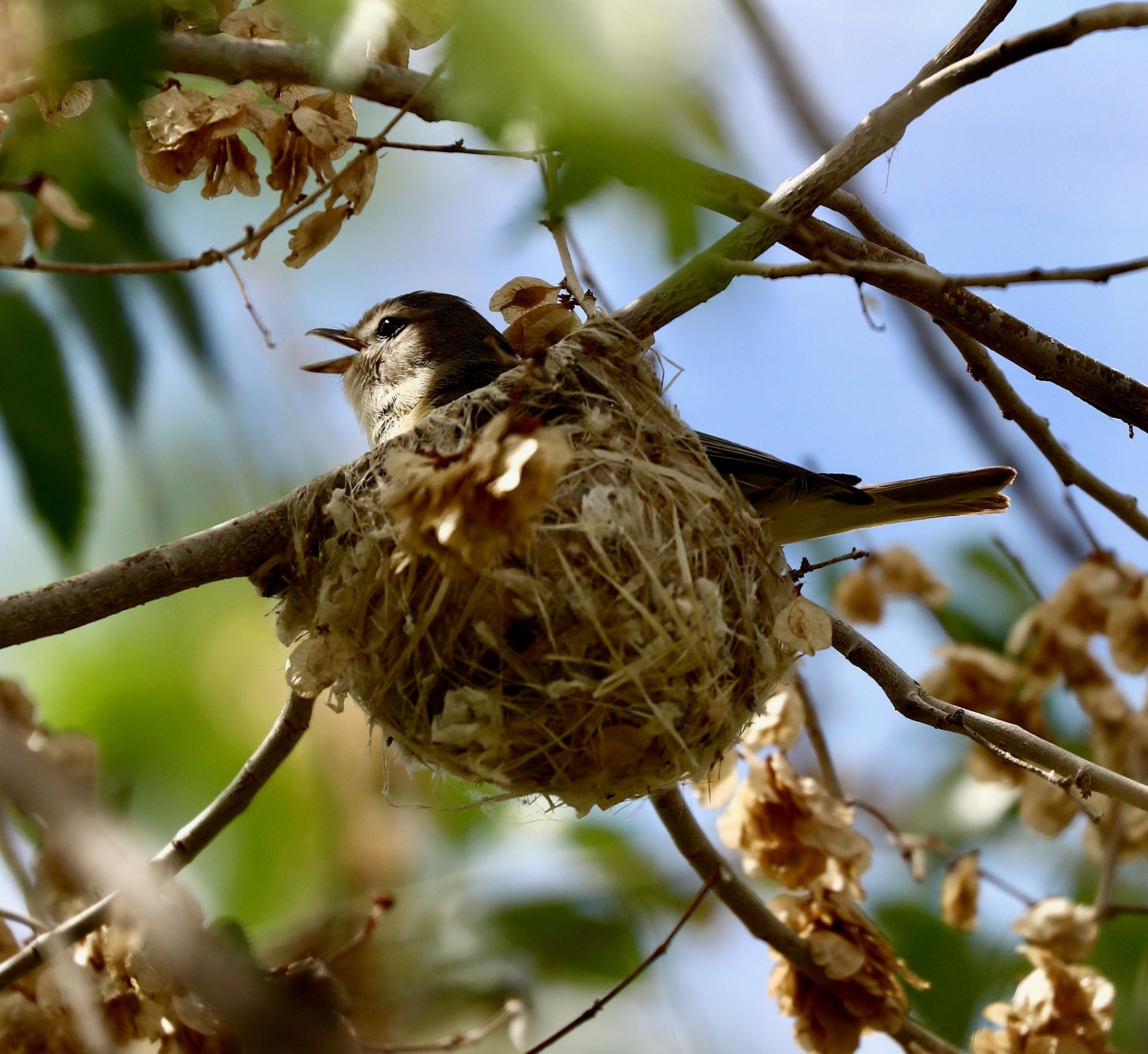
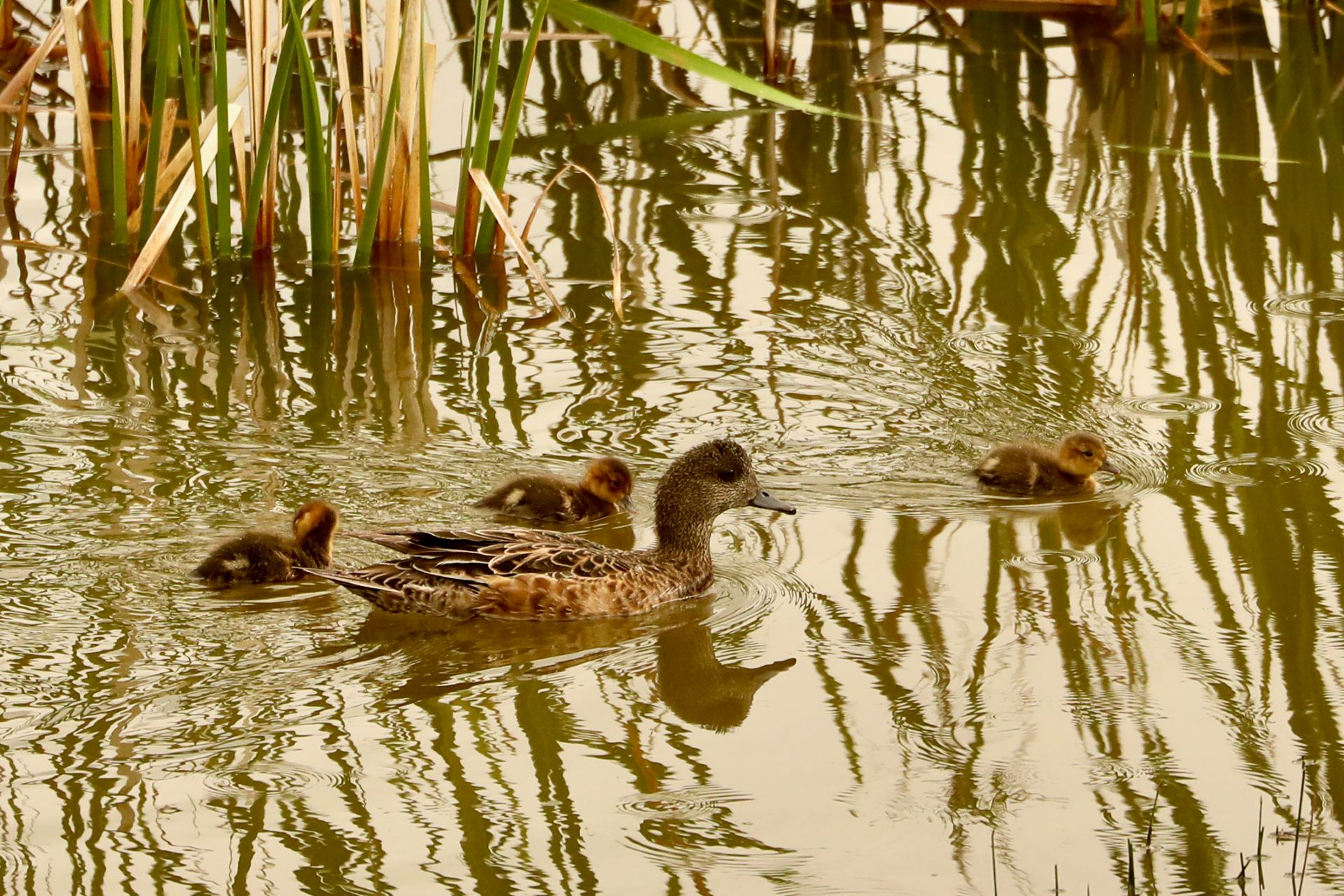
An Eastern Warbling Vireo belting out tunes atop her nest as territorial males vied for positioning in the same tree. I got my first look at American Widgeon babies in the same marshy spot where American Coots were being reared. A Vesper Sparrow with a beak so full of insects it was nearly impossible to imagine fitting any more in. American Robins spending mornings hauling grasses back and forth, reinforcing nests one strand at a time. And House Sparrows in my back yard impatiently waiting to be fed.
Then there were the Cliff Swallows.
I’d watched them for years darting furiously in and out of sandy cliff embankments but one morning I witnessed something I’d never seen before. Pairs repeatedly landed beside a puddle, carefully collecting tiny beakfuls of mud and transporting them under a bridge, where each trip added layers to their remarkable gourd-shaped nests.
This is what I love the most about birdwatching. Even if you’ve been at it a long time, there’s always something to learn.
Saskatchewan is uniquely positioned for breeding birds. Stretching from the northern boreal forest to the southern prairie grasslands, the province supports 250+ breeding bird species across an incredible diversity of habitats. Not bad for a province that sees 420 or so bird species a year. Native prairie, wetlands, forests and lakes provide nesting opportunities for everything from tiny wrens and colourful warblers to ducks, grebes, shorebirds and raptors.
It's one of Canada’s best bird nurseries.
While migration impresses with numbers, summer begins with melodies.
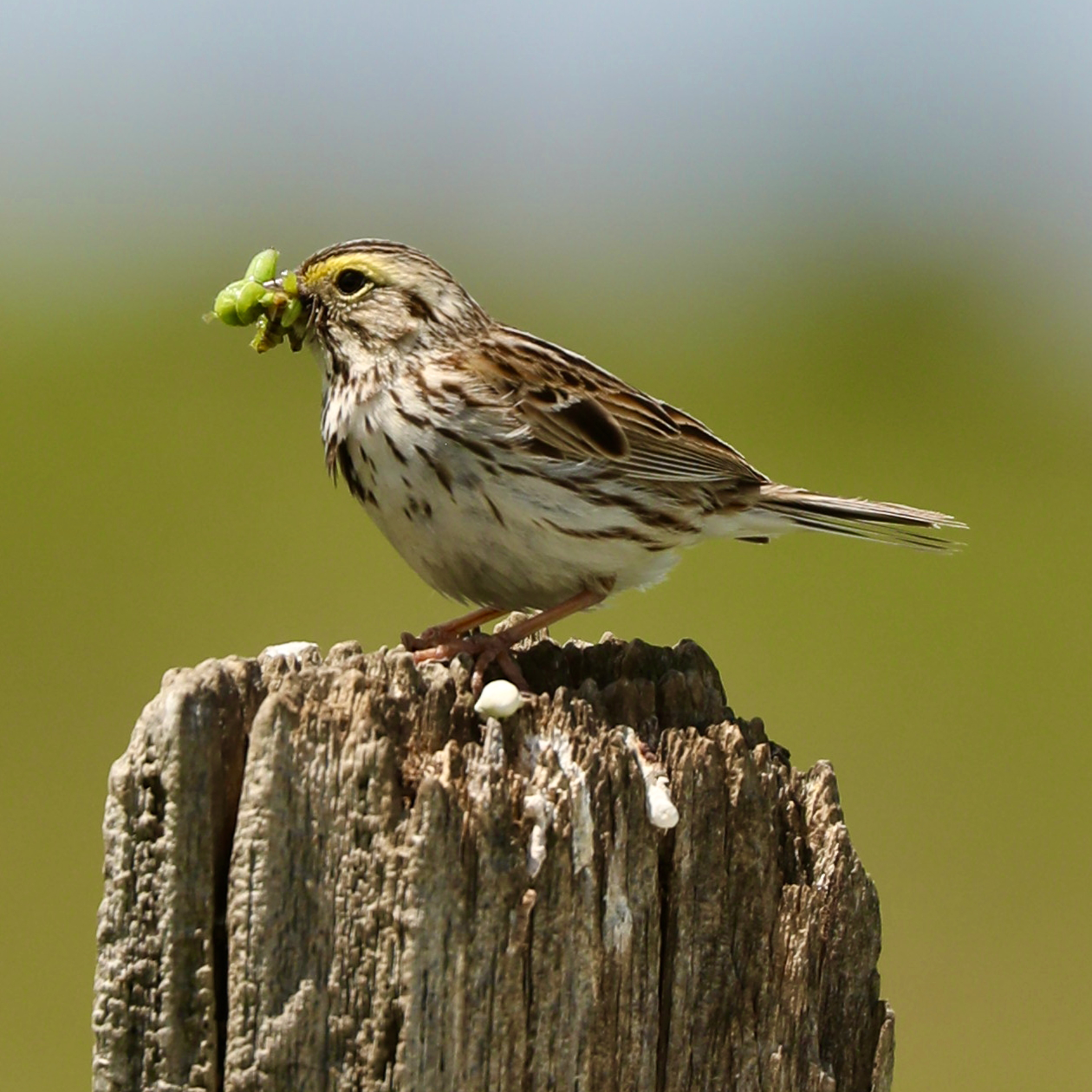
Long before sunrise, Saskatchewan's grasslands erupt with sound. Western Meadowlarks proclaimed ownership from fence posts while Clay-coloured Sparrows, Yellow Warblers, Bobolinks and others announce that territories have already been claimed.
Those songs aren't just beautiful – they're territorial declarations.
It’s definitely not quiet.
Throughout the season, I watched Eastern Kingbirds repeatedly chase intruders from invisible boundaries only they could see. Red-headed Blackbirds took to the skies to attack Swainson’s and Red-tailed Hawks that were looking for a quick meal. Along marsh edges, Black Terns fiercely defended nesting colonies, driving away harmless roadside admirers to make it abundantly clear we weren’t welcome. Later, American Avocets delivered the same message, circling overhead and protesting loudly to protect what was almost certainly a nearby nest.
These weren't random encounters. They were parents protecting the next generation.
I gained even more respect for bird boundaries.
Once eggs hatch, behaviours shift dramatically.
Adult birds seem to spend every waking hour gathering food. It's impossible not to admire their tenacity.
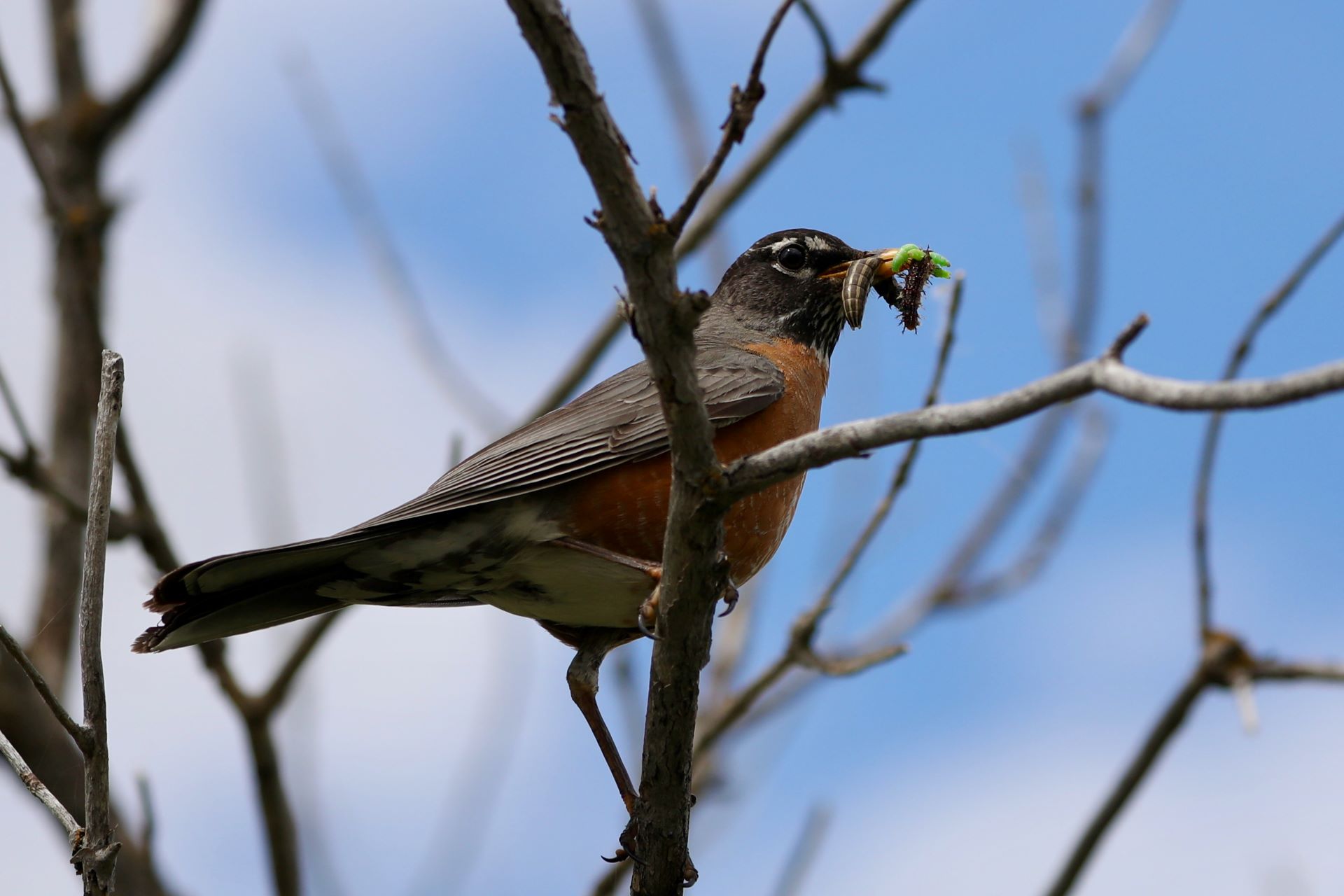
A Song Sparrow flitted in and out of a marsh before returning to a nearby tree perch with evening supper. A Brown-headed Cowbird surprised us by flying past carrying an overflowing meal for its young – a welcome reminder that although cowbirds are notorious for laying their eggs in the nests of other species, they can be devoted parents, too.
Yellow-headed Blackbirds darted constantly between the marsh and nearby perches. A female paused just long enough for us to watch her carefully feed a demanding juvenile before disappearing once again in search of insects. Nearby, Common Grackle fledglings called incessantly while attentive adults hurried back with another meal.
Everywhere we looked, birds were working.
Perhaps my favourite part of summer birding isn't finding rare species.
It's discovering fledglings.
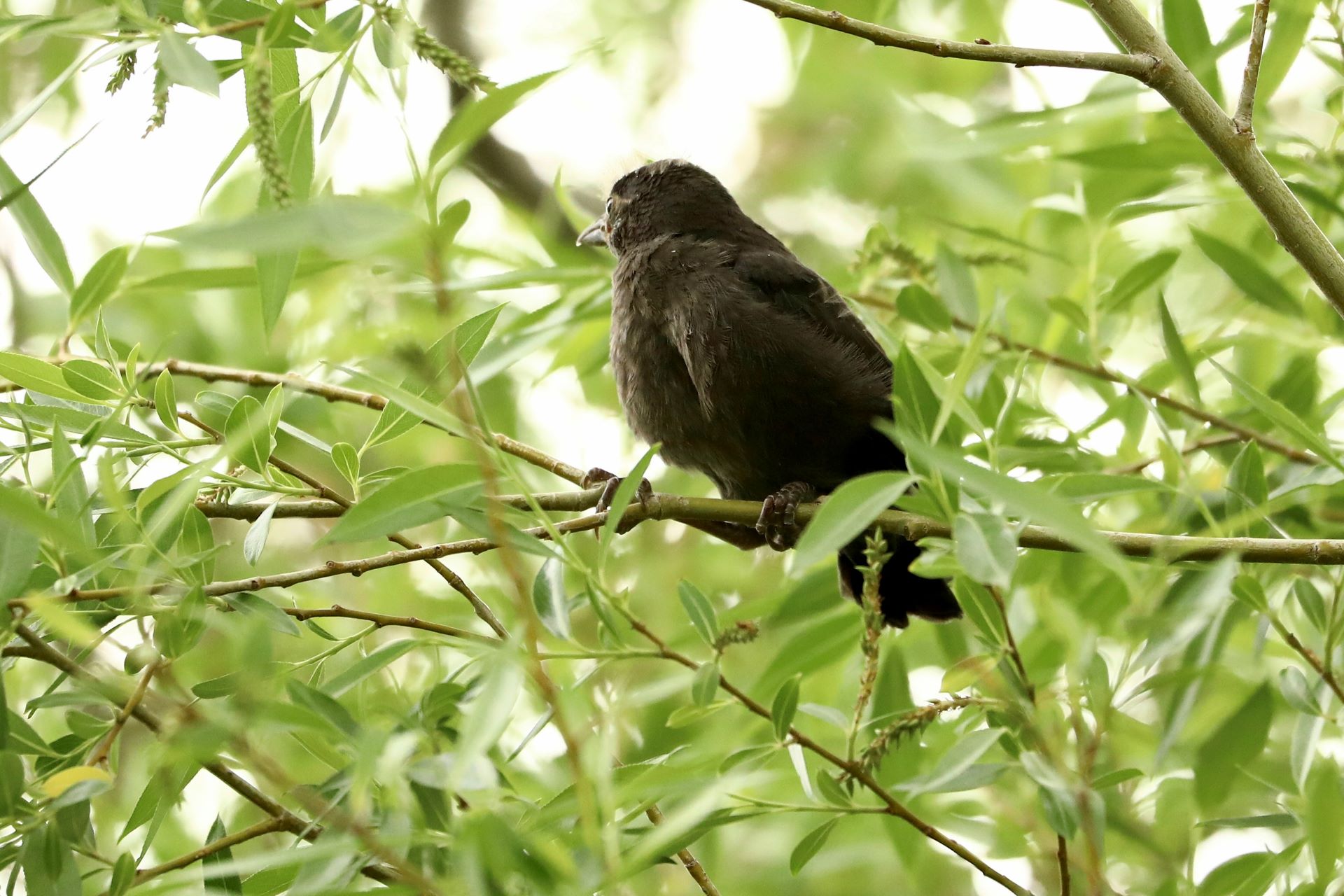
There's something undeniably delightful about young birds. Their fluffy, unkempt appearance, with juvenile feathers still clinging to their bodies and tails that are a little too short. They perch awkwardly on fence wires attempting to balance before fluttering after exhausted parents in search of yet another meal.
This summer brought countless moments like these.
Newly fledged Brewer's Blackbirds begged noisily from attentive adults. Bobolinks, among Saskatchewan's most charismatic grassland birds, appeared as family groups, brilliant males, alongside females and pale-headed juveniles. Ducklings paddled behind vigilant mothers while gangly young Canada Geese grazed nearby, mimicking their parents’ every move.
When you slow down long enough, you start recognizing the rhythm of avian rearing.
These are the moments migration can't offer.
Migration shows us where birds are going. Summer shows us where life begins.
One of the biggest surprises this summer wasn't simply the behaviour we observed or the noise we heard – it was the diversity. Wait, what? Isn’t that reserved for migration?
No.
During one outing at Buffalo Pound Provincial Park in July, we recorded 69 bird species. Another day exploring Regina's urban wetlands and native prairie produced nearly 60.
But looking back, those numbers feel almost secondary.
What I remember most isn't adding another species to a checklist.
It was watching a Western Kingbird hover effortlessly before dropping into a shrub to catch its next meal. It was finally seeing an Eastern Phoebe hunting from a fence after hearing its song countless times. It was watching a White-faced Ibis fly overhead before landing only metres away, and smiling as Marsh Wrens and Common Yellowthroats briefly emerged from dense cattails. And it was laughing when common species remained shy, refusing to reveal themselves, reminding me that birds have more important things to do during nesting season.
Once you stop focusing solely on identification and begin paying attention to behaviour, even familiar birds can become endlessly fascinating.
Migration will always be one of nature's greatest times to see birds in Saskatchewan.
Watching thousands of shorebirds descend on Chaplin's salt flats, rolling waves of staging Sandhill Cranes and Snow Geese gathering across farmers’ fields, or forests suddenly filling up with spring songbirds is something every birder should experience.
But summer offers something less obvious.
Something more intimate.
It invites us to slow down, observe, pay attention and admire.
To notice the female carrying a beak full of insects. To watch a family of Bobolinks moving through native prairie. To smile at an awkward fledgling discovering the world one unsteady hop at a time.
Those are the moments that remind me birdwatching isn't always about finding the rarest species or adding to one’s life list. Sometimes it's about slowing down long enough to witness small life moments unfold. It reminds us that Saskatchewan isn’t simply a place birds pass through – it’s where hundreds of species build nests and raise the next generation of their families.
It may just be Saskatchewan’s richest birdwatching season after all.
 Jenn Smith Nelson is the founder of nature-based tour company, the Wild View, and a seasoned freelance travel wildlife writer and photographer. She also co-authored 110 Nature Hot Spots in Manitoba and Saskatchewan.
Keen to see what’s flying in? May promises to be the peak of migration season! Check out the many different tours offered by thewildview.ca.
Tags


