Apr 23, 2026
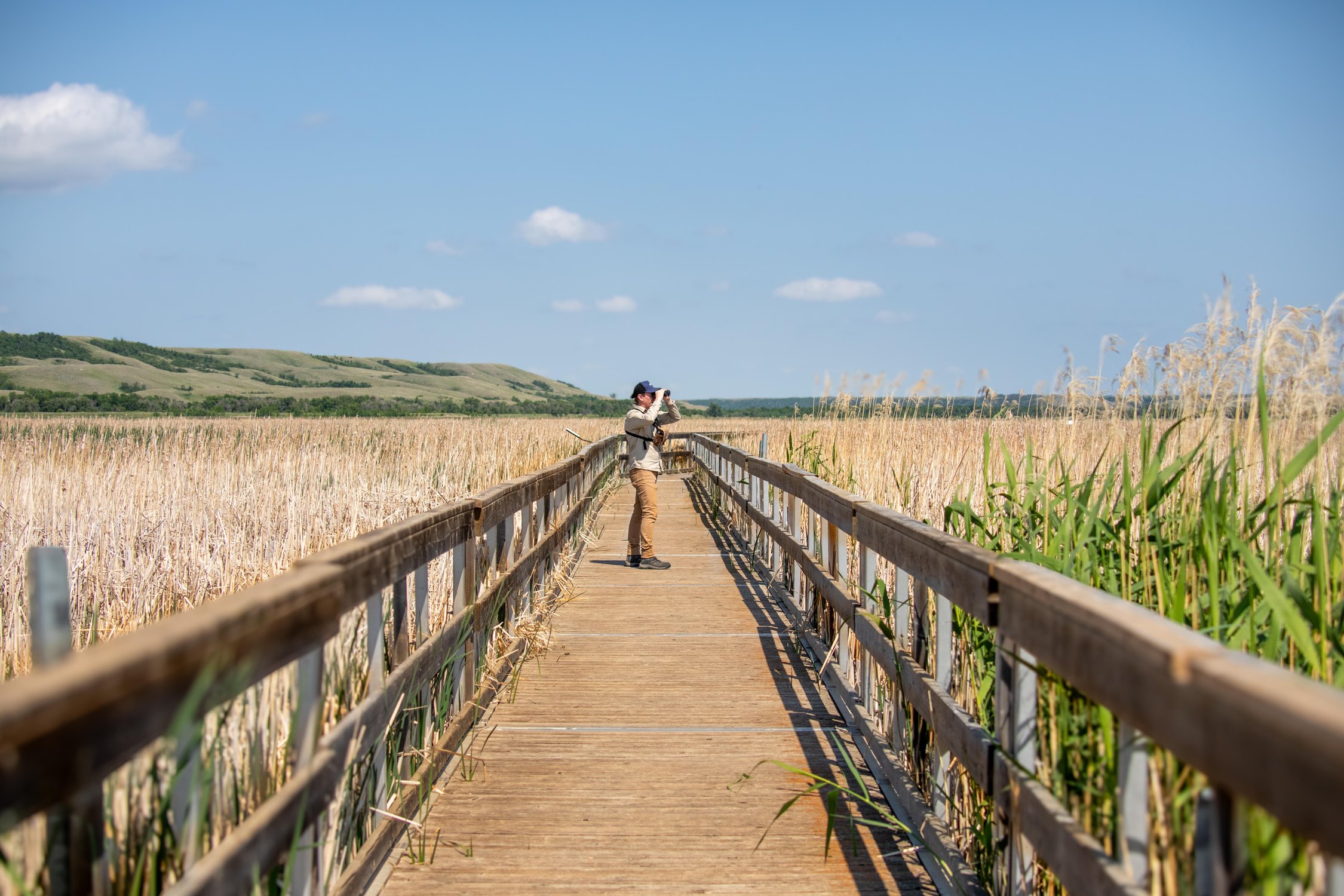
A steady trill somewhere nearby. You stop, scan and realize you don’t know what you’re hearing.
That’s usually how it starts.
Birdwatching doesn’t need to begin with a checklist or expensive gear. Instead, it begins with curiosity – a question you can’t answer yet.
And Saskatchewan is an ideal place to get started.
One of the best things about birdwatching is how little it requires.
You can walk outside right now and begin. That said, a few other things can help. Binoculars are useful but optional. They don’t need to be expensive. Choose something comfortable, light and easy to use.
Carry or study field guides featuring local birds. Or boost learning by signing up for a free course like the Birds Canada Birding for Beginners self-guided course.
Apps like Merlin and eBird can be super, especially in the beginning. However, be aware that identification by sound isn't always accurate.
In addition to curiosity, the essentials most people overlook and the best things you can bring are your presence and patience. Those matter more than any gear.
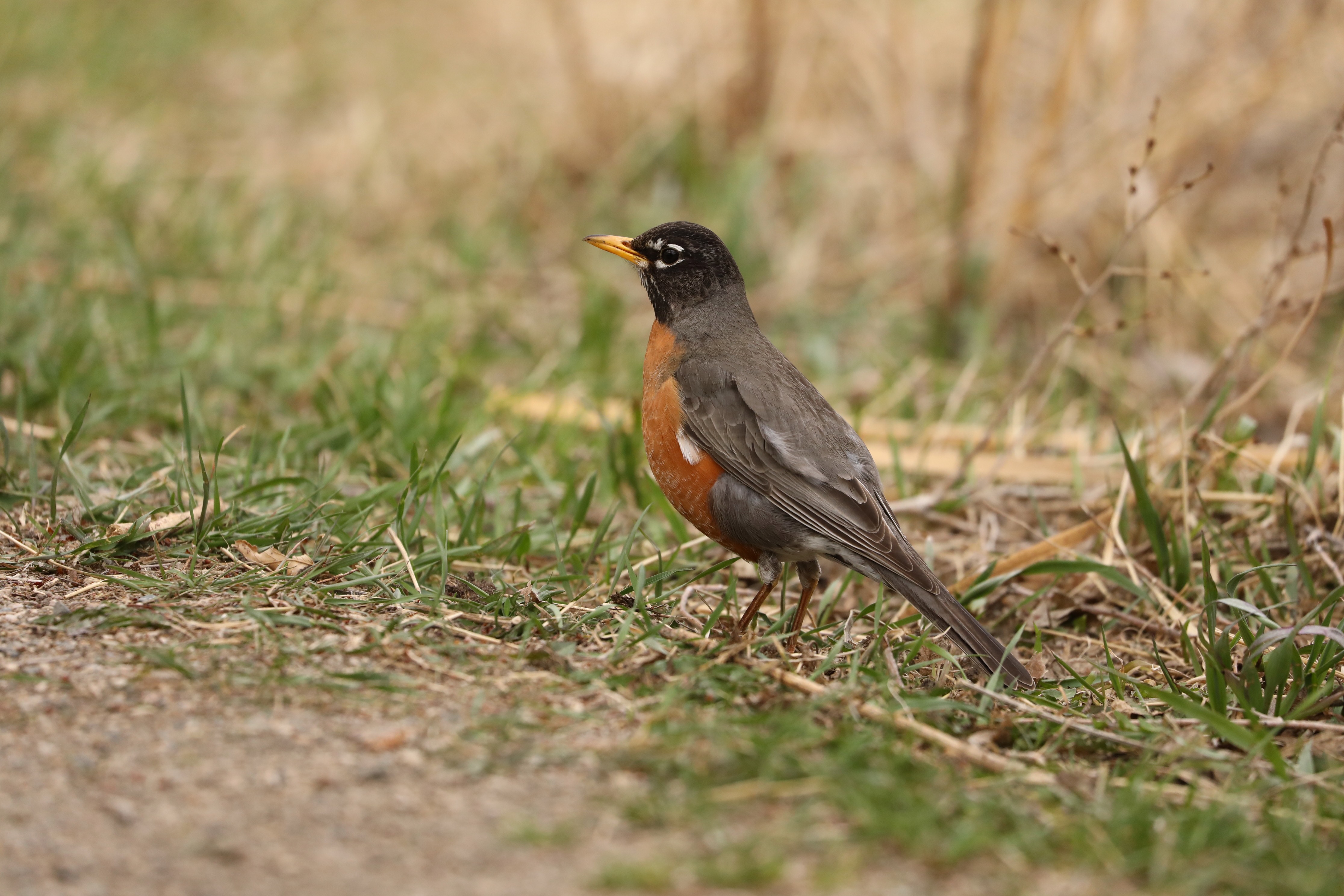
You are likely aware of familiar birds such as house sparrow, house finch, American crow, black-capped chickadee, American robin, mallard and Canada goose, all commonly spotted here.
Getting to know the regulars is a good place for new birders to begin. Study their physical characteristics, songs, behaviours and where they like to hang out. Then put your learnings to practice in the field.
The goal early on isn’t to see everything. It’s to begin recognizing what’s already in front of you.
Most new birders try to identify birds too quickly. A slower approach is better.
Observe before trying to identify. It will build memory faster. Try using the “5 S’s” framework:
Size: Compare it to a bird you know. Is it sparrow or robin sized?
Shape: Look at its silhouette, tail length, beak or wings shape to determine bird family.
Shade (colour/markings): What stands out? A white eye ring, streaky chest, bright colours?
Sound (song): Listen. Is the song high-pitched, repetitive, varied, ascending of descending?
Space (behavior/habitat): Observe movement and location. Is it creeping up a tree, hovering in the wind or foraging on the ground? What did you see? Could you draw a little bird mugshot? You might not catch everything but keeping these will help when trying to figure a new-to-you-species.
Here’s the great news: you don’t have to go far. Birds are everywhere.
The best places to practice are ones close to you — spots you can return to often. Your backyard, gravel roads, sloughs or anywhere with water, marshes, open prairie, habitat edges and urban parks.
Birding here is easier than most places. The landscape is open, skies are wide and we have A LOT of water. Thanks to being under two bird superhighways (major migration routes) and boasting diverse habitat, the province is rich in birds.
Saskatchewan sees 430+ bird species annually, and 300+ of those species can be found in several hotspots’ province-wide, including major cities.
Consider urban birding in Regina’s Wascana Park, Saskatoon’s Beaver Creek or Moose Jaw’s Wakamow Valley. Spots like Chaplin, Last Mountain Lake, Quill Lakes and Grasslands National Park host diverse and rare species revered by birdwatchers of all levels. Further north, you’ll find more variety — truly, you cannot go wrong.
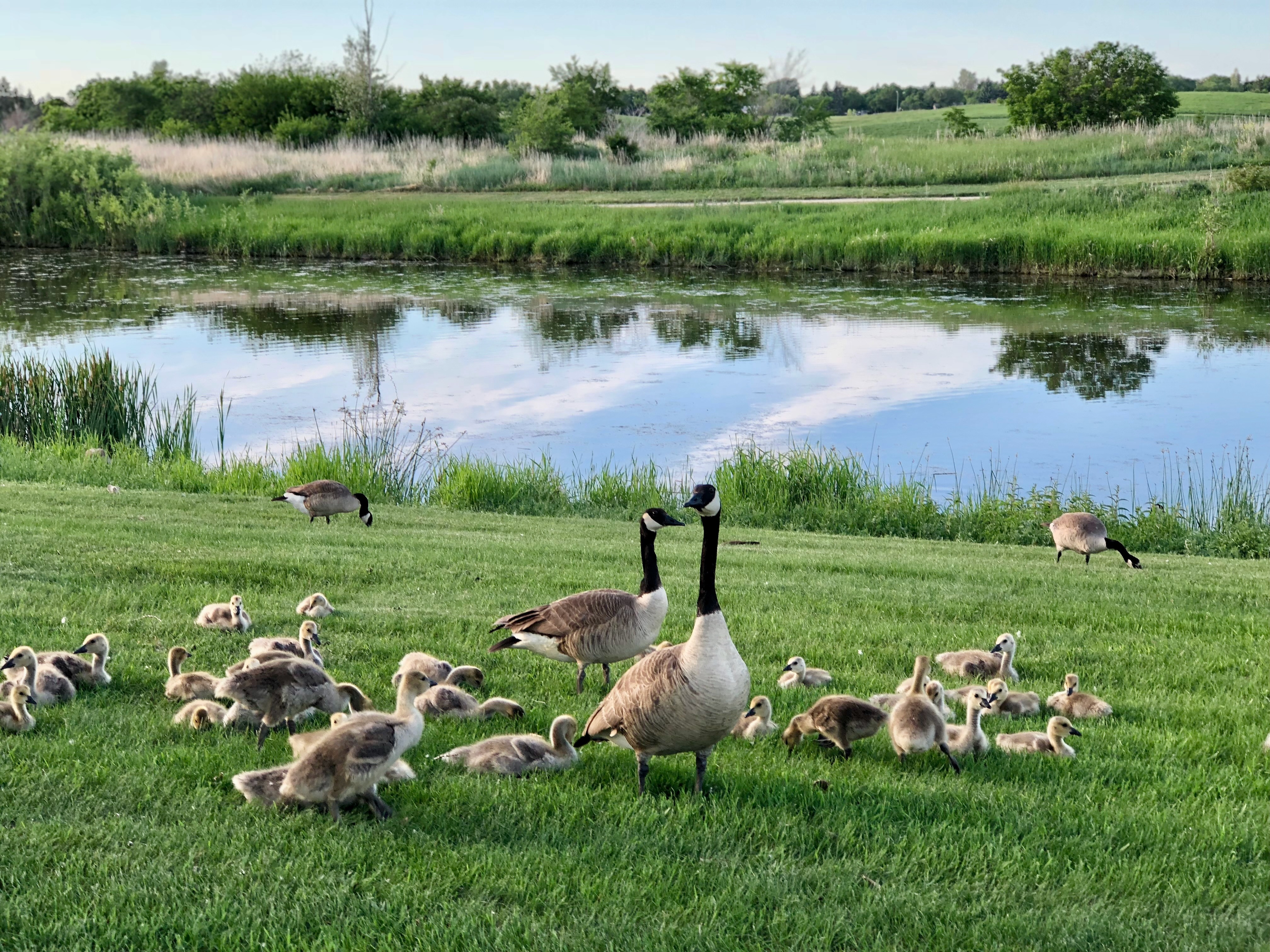
Seasonality plays a major role in how many and what types of birds you might see.
Spring and fall migration in the province (~ April-June and August–October) deliver big numbers and variety, as birds are on the move. Nesting during the summer allows for predictability in behaviour and habitat, making it a great time to learn, and even winter has its benefits too. There may be fewer species, but they can be easier to spot.
Go to the same place at the same time and notice what changes. Consistency will pay off.
If you remember one thing, let it be this: The time of day matters more than the kilometers travelled to find birds. Early a.m. is the most optimal time. This is when birds are most active feeding, moving and singing. Dusk/early evening can be a bit quieter but is similarly productive. Birdwatching midday is possible but slower, especially when warm and windy. Birds are quieter, often tucked away or resting in the shade. Bright sunlight also makes identification challenging.
Both have value. When you head out solo, chances are that you will slow down and pay attention. However, birding with others, especially experienced birders, can quickly accelerate your learning, as does hiring a local guide.
Consider joining local online, walking or nature groups and/or contribute sightings through apps like eBird. Like the birds, birding communities are also everywhere. Social or solitary — the choice is yours. It’s part of birding’s appeal.
Birdwatching is a low-impact activity, but only if done carefully. Always:
Move slowly and quietly. Birds react to sudden motion more than quiet presence. If you hunker down and be still, you’ll often notice more. Remember: the same attention you use to find birds should help you avoid disturbing them.
Lastly, be grateful for every encounter. Make and keep it fun by not setting expectations.
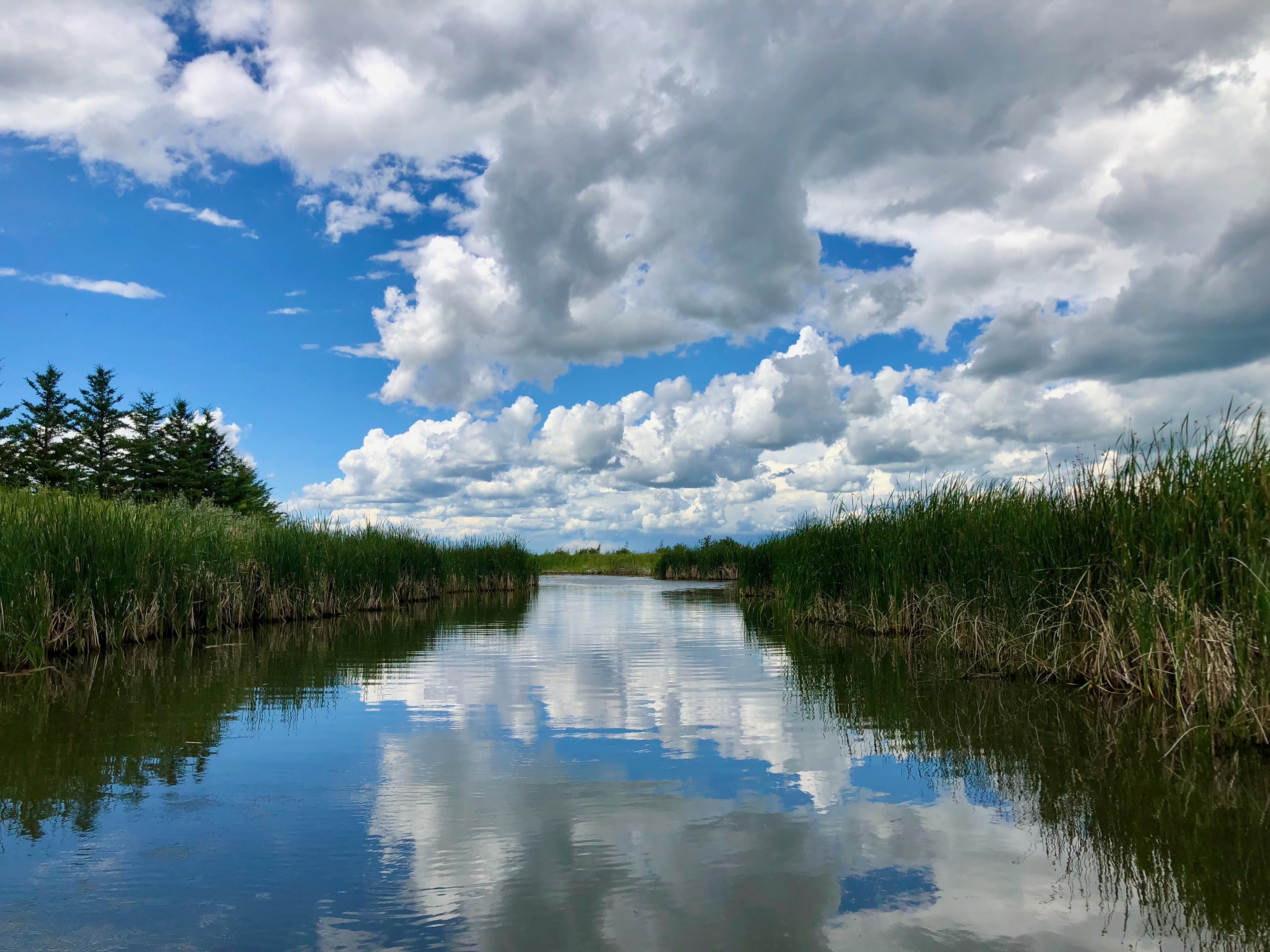
Birdwatching changes how you move through the world. Slowing down and paying attention to the world around you makes you care more about it. And observing birds can inspire feelings of connection, wellness, peace and accomplishment. Plus, it’s been proven to be good for your brain.
No wonder for so many in today’s busy and technology-filled world, birding has become more than a hobby.
Fact: If you go outside in Saskatchewan and look for birds, you will find them. It will be a different experience, but an adventure every time. However, once you start looking, you never stop seeing.
 Jenn Smith Nelson is the founder of nature-based tour company, the Wild View, and a seasoned freelance travel wildlife writer and photographer. She also co-authored 110 Nature Hot Spots in Manitoba and Saskatchewan.
Keen to see what’s flying in? May promises to be the peak of migration season! Check out the many different tours offered by thewildview.ca.
Tags


