Sep 9, 2026
From internationally significant and designated wetlands to expansive native grasslands, Saskatchewan offers some of Canada's best birdwatching.
Birding can be rewarding nearly anywhere in the province; however, a handful of places deliver exceptional viewing experiences. Lying along North America's Central and Mississippi Flyways, the province becomes a migratory superhighway as millions of birds pass overhead. With saline lakes, expansive marshes, native mixed-grass prairie and boreal forest, Saskatchewan may not be known as but certainly is, one of Canada's premier birding destinations.
Whether it’s a lifer you are after or wanting to visit a spot to collect over 100 species, six destinations stand out in the province.
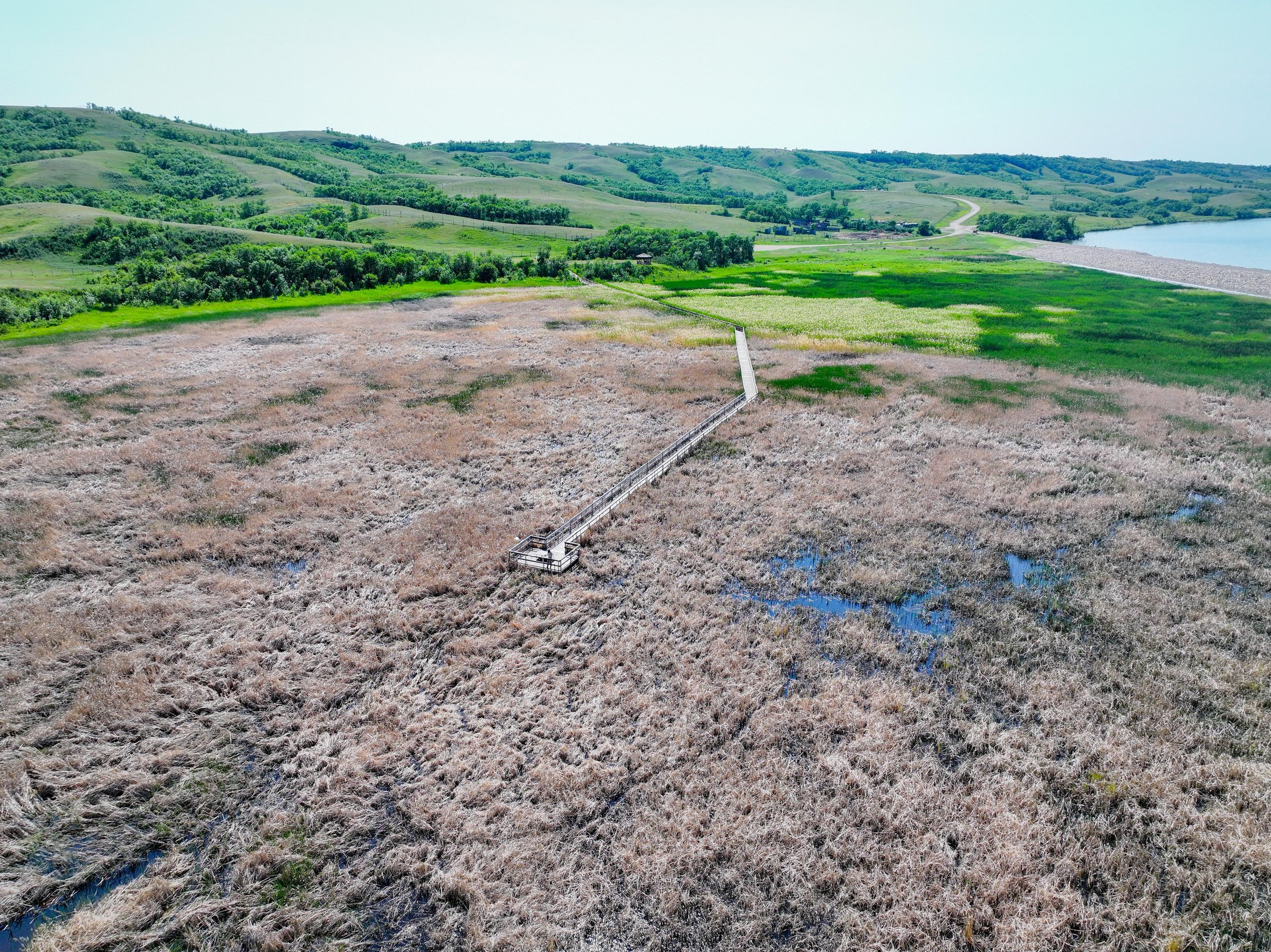
Why it's a hotspot: Shorebirds, phalaropes and saline lake specialists
If you are a shorebird enthusiast, Chaplin is hard to beat. Found between Moose Jaw and Swift Current, this internationally important migration stop regularly hosts tens of thousands of birds each spring and fall. During peak migration, roughly half of the world's sanderling population passes through, with daily counts reaching 100,000 birds. Over 30 shorebird species can be found here.
Chaplin, along with Old Wives and Reed lakes, forms a Western Hemisphere Shorebird Reserve Network site of Hemispheric Importance. Spanning 42,000+ hectares, its shallow saline waters are full of brine shrimp and aquatic invertebrates, making it a critical stop for birds to refuel before continuing north to Arctic breeding grounds.
Sanderlings, red knots and Baird's sandpipers are abundant; however, its diversity doesn’t end there. Regular visitors include American avocets, Wilson's and red-necked phalaropes, marbled and Hudsonian godwits, stilt sandpipers and white-rumped sandpipers. Another reason to visit? Endangered piping plovers also nest along the shoreline.
Visit mid-May or late August through September for a rewarding birding experience. Pop into the Chaplin Nature Centre before birding to learn more about one of North America's most important shorebird ecosystems. It’s found just off the Trans-Canada Highway.
Why it's a hotspot: Waterfowl, cranes, colonial nesting birds and migration monitoring
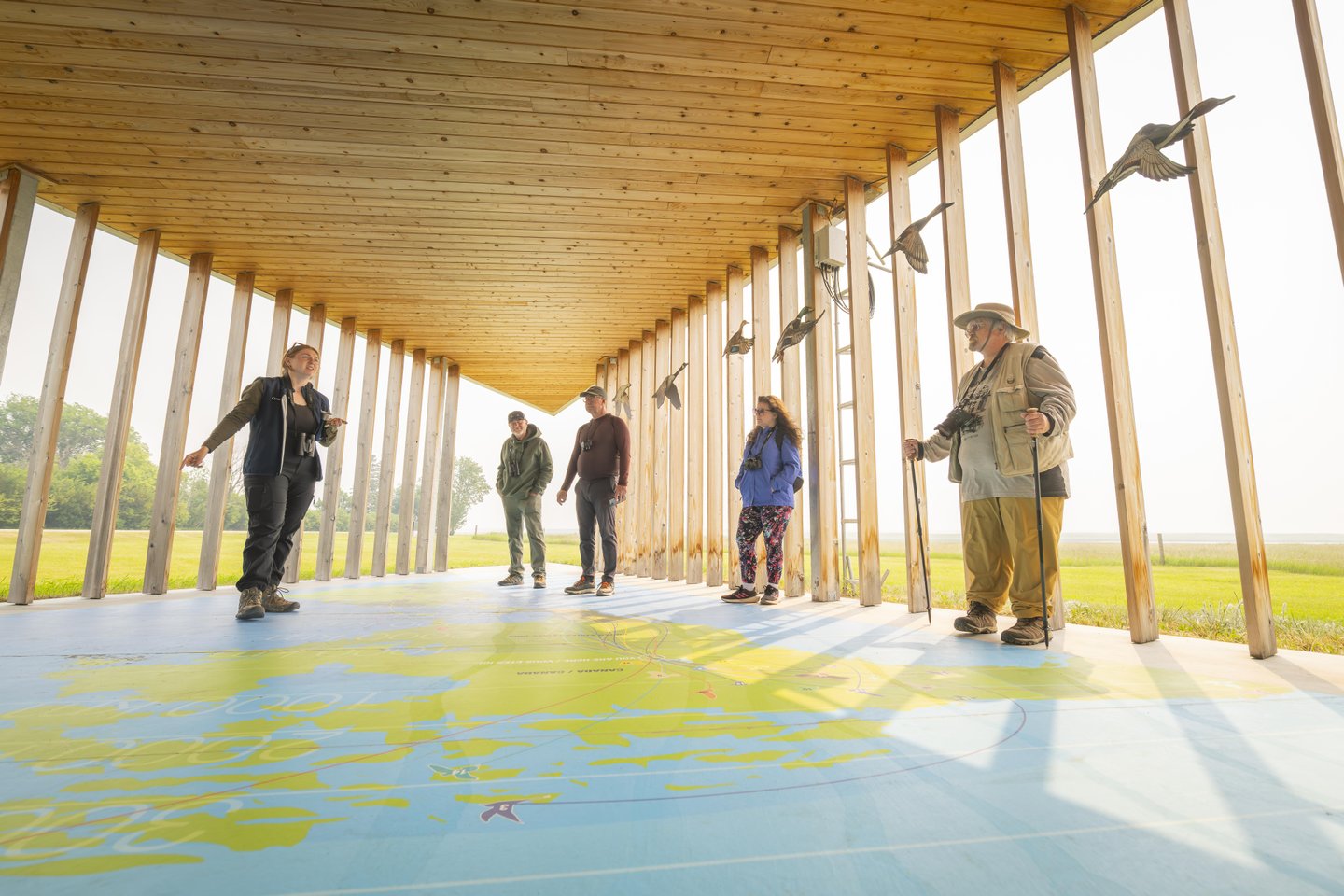
If Chaplin is Saskatchewan's shorebird headquarters, Last Mountain Lake is its waterfowl equivalent.
Established in 1887 as North America's first bird sanctuary, the protected area is one of Canada's richest wetland ecosystems. Over 300 bird species have been recorded, including 100+ breeding species. Each year, it becomes a staging ground for hundreds of thousands of ducks and geese, and tens of thousands of sandhill cranes.
Stretching across south-central Saskatchewan, the protected area includes Last Mountain Lake National Wildlife Area, the Migratory Bird Sanctuary and the Last Mountain Bird Observatory, thanks to its impressive habitat mix of wetlands, native prairie and shoreline.
Everything from American white pelicans, double-crested cormorants and western grebes to common terns, Franklin's gulls and breeding waterfowl can be observed. Birding around the lake is equally remarkable, with habitat supporting species at risk including Sprague's pipit, Baird's sparrow, loggerhead shrike and ferruginous hawk.
Visiting Last Mountain Lake during migration is exceptional. Upwards of 50,000 sandhill cranes fill autumn skies, and if luck is on your side, you may also spot endangered whooping cranes migrating between their Texas wintering grounds and breeding grounds in Wood Buffalo National Park.
Plan a visit either mid-May to early June or mid-August to early October for the greatest diversity. The Last Mountain Bird Observatory also welcomes visitors during migration and offers the opportunity to view researchers at work banding, measuring and releasing songbirds passing through.
Why it's a hotspot: Prairie specialists and species-at-risk
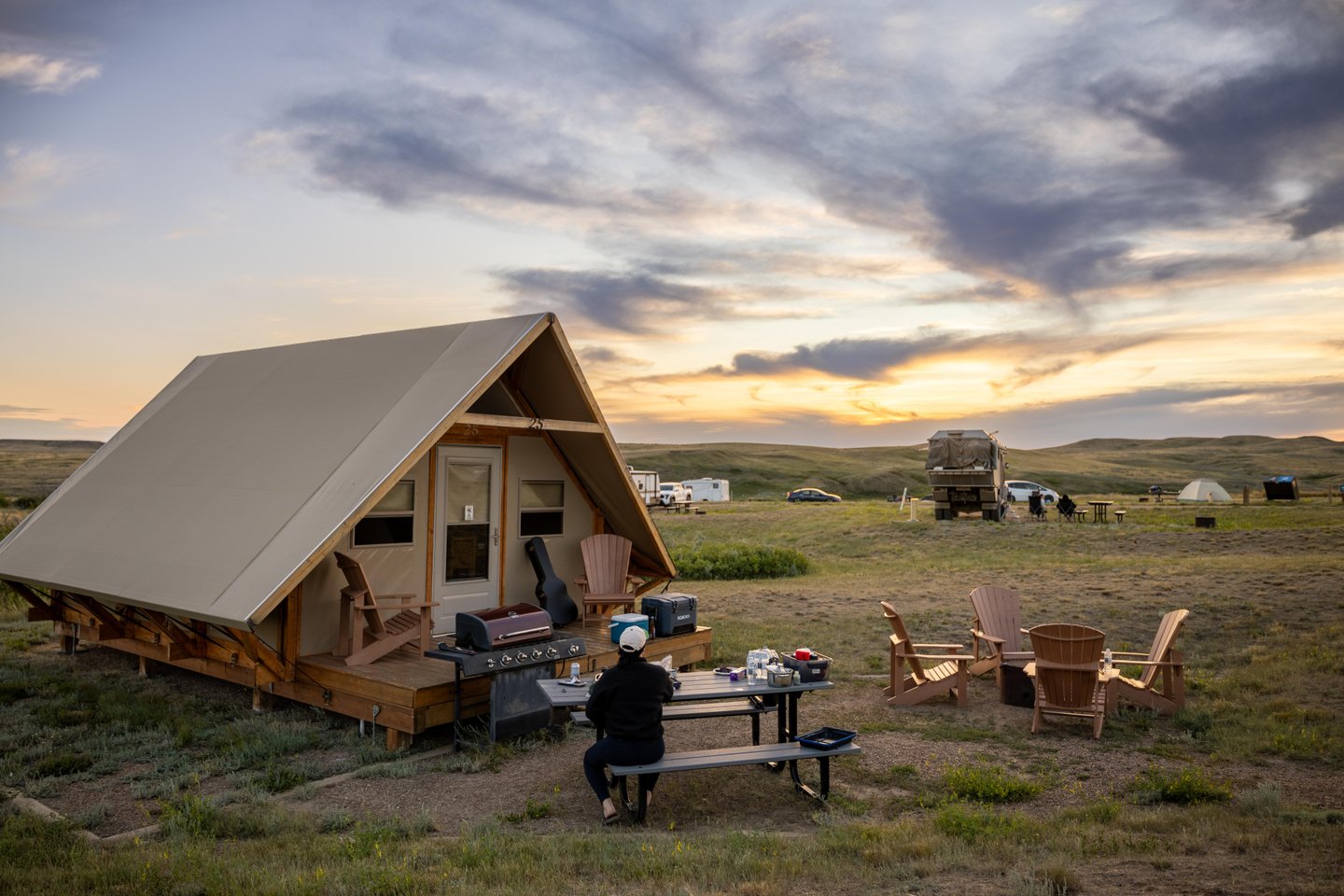
Protecting mixed-grass prairie, Grasslands National Park is home to one of North America's most endangered ecosystems and one of Canada’s best places to see several prairie specialists. These native grasslands aren't simply preferred habitat, they are essential.
Many are drawn to the park for the chance to spot especially difficult, rare bird species including burrowing owl, greater sage-grouse, Sprague's pipit, long-billed curlew and chestnut-collared longspur, all of which depend on large expanses of intact prairie.
Head to one of the park's best areas: the black-tailed prairie dog colonies in the West Block. Constantly grazed, keeping vegetation short, prairie dogs also create burrows, which are ideal homes for burrowing owls that like to nest in abandoned burrows. Fun fact: owls don’t build nests. Also favouring this open landscape are long-billed curlews.
Bird variation extends beyond prairie specialists. It is possible within a single outing to move from rolling uplands to rugged badlands, shrublands and the lush Frenchman River Valley. As each habitat supports its own crew of birds, ferruginous hawks and prairie falcons, along with colourful songbirds, can be found. Over in the East Block, the Badlands Parkway offers sweeping coulee views, along with prairie and rocky slope specialists like rock wren, common poorwill and violet-green swallow.
Peak breeding season from late May to June offers the most productive birding. Due to its vast and mostly treeless landscape, viewing courtship displays, seeing ground-nesting birds and raptors drifting effortlessly on rising prairie thermals is made easy.
Why it's a hotspot: Extraordinary numbers during migration
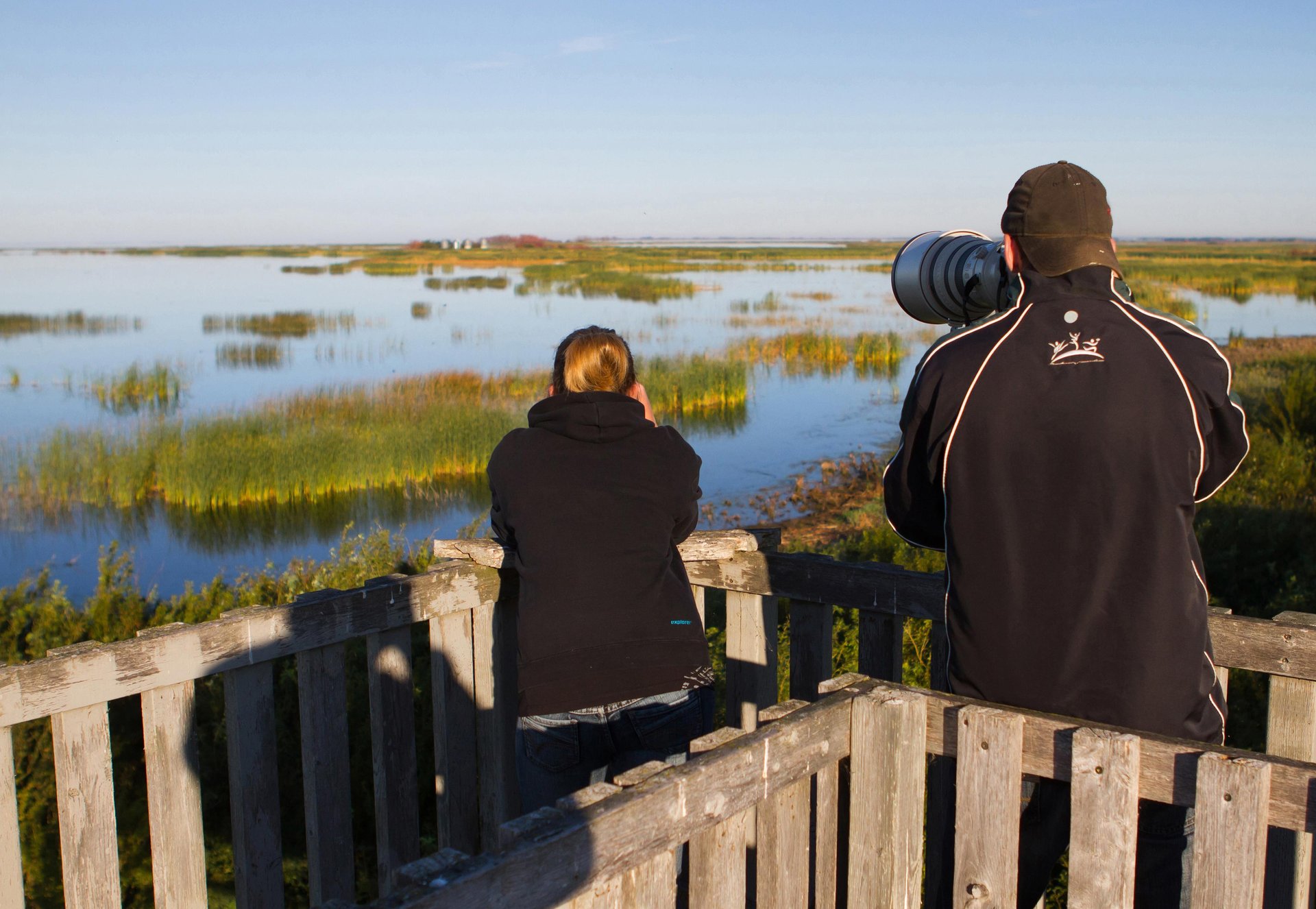
Many on this list impress thanks to diversity; however, the Quill Lakes area is remarkable for its sheer abundance.
One of the largest saline lake systems in North America, Quill Lakes become an annual staging ground for astonishing numbers of birds each migration season. More than a million waterfowl, along with hundreds of thousands of shorebirds and immense flocks of songbirds, pass through, creating a true migration spectacle.
The area is made up of Big Quill Lake, Little Quill Lake, Mud Lake and nearby Foam Lake Heritage Marsh. Together, they have earned international recognition through both Ramsar and Western Hemisphere Shorebird Reserve Network designations.
Like Chaplin, its saline waters and sprawling mudflats are rich in aquatic invertebrates. For migrating shorebirds, it's an ideal place to rest and replenish before continuing north or south. American avocets, godwits, sandpipers, American white pelicans, gulls and terns all show up in impressive numbers.
More than 300 bird species have been recorded here, with daily migration counts sometimes reaching 300,000 birds. These lakes are critically important for many species, including endangered whooping cranes and peregrine falcons during migration.
Plan to visit mid-May through early June or from mid-July into September when migration is in full swing.
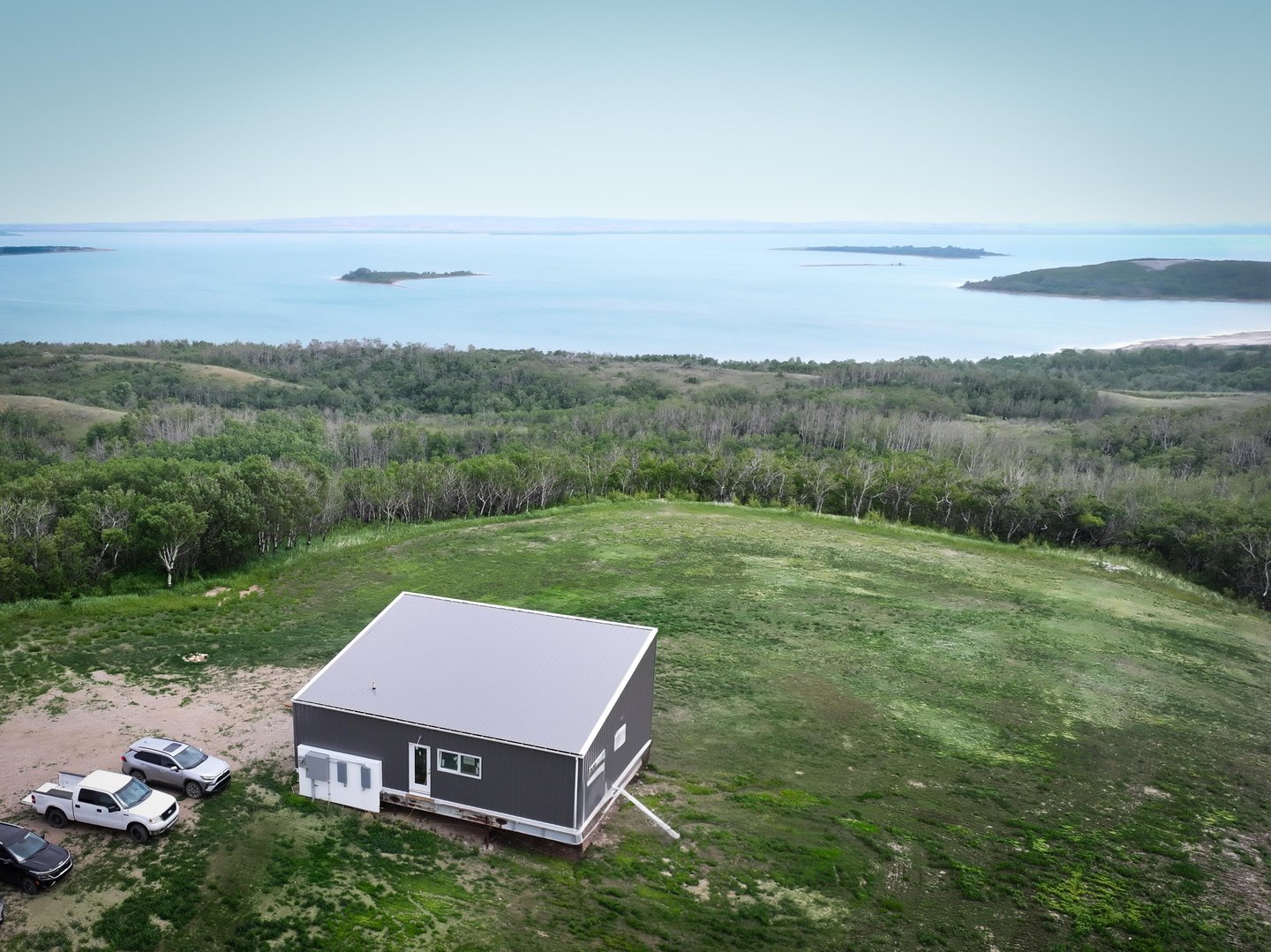
Why it's a hotspot: Where prairie, parkland and saline wetlands meet
Just northwest of Saskatoon, Redberry Lake’s overlapping ecosystems attract a wide variety of birds. Here, saline wetlands meet native prairie and aspen parkland to create exceptional habitat for many bird species. It's also Saskatchewan's only UNESCO Biosphere Region and boasts both Migratory Bird Sanctuary and Important Bird Area designations.
Nearly 200 bird species have been recorded here. During fall migration, when surrounding wetlands begin to freeze, Redberry's deeper waters remain ice-free longer, which draws in thousands of ducks, geese and tundra swans.
The lake's predator-free islands provide secure nesting sites for American white pelicans, double-crested cormorants, California gulls and common terns. Along the shoreline, piping plovers, American avocets and marbled godwits forage across its sandy beaches and mudflats, while the surrounding parkland offers excellent opportunities to spot brown thrashers, gray catbirds and the threatened loggerhead shrike.
Like other spots, spring and fall migration offer the greatest diversity, from mid-May through early June and late August through September. To see breeding birds, choose mid-June into early August when colonies are active and to spot piping plovers raising young along the shoreline.
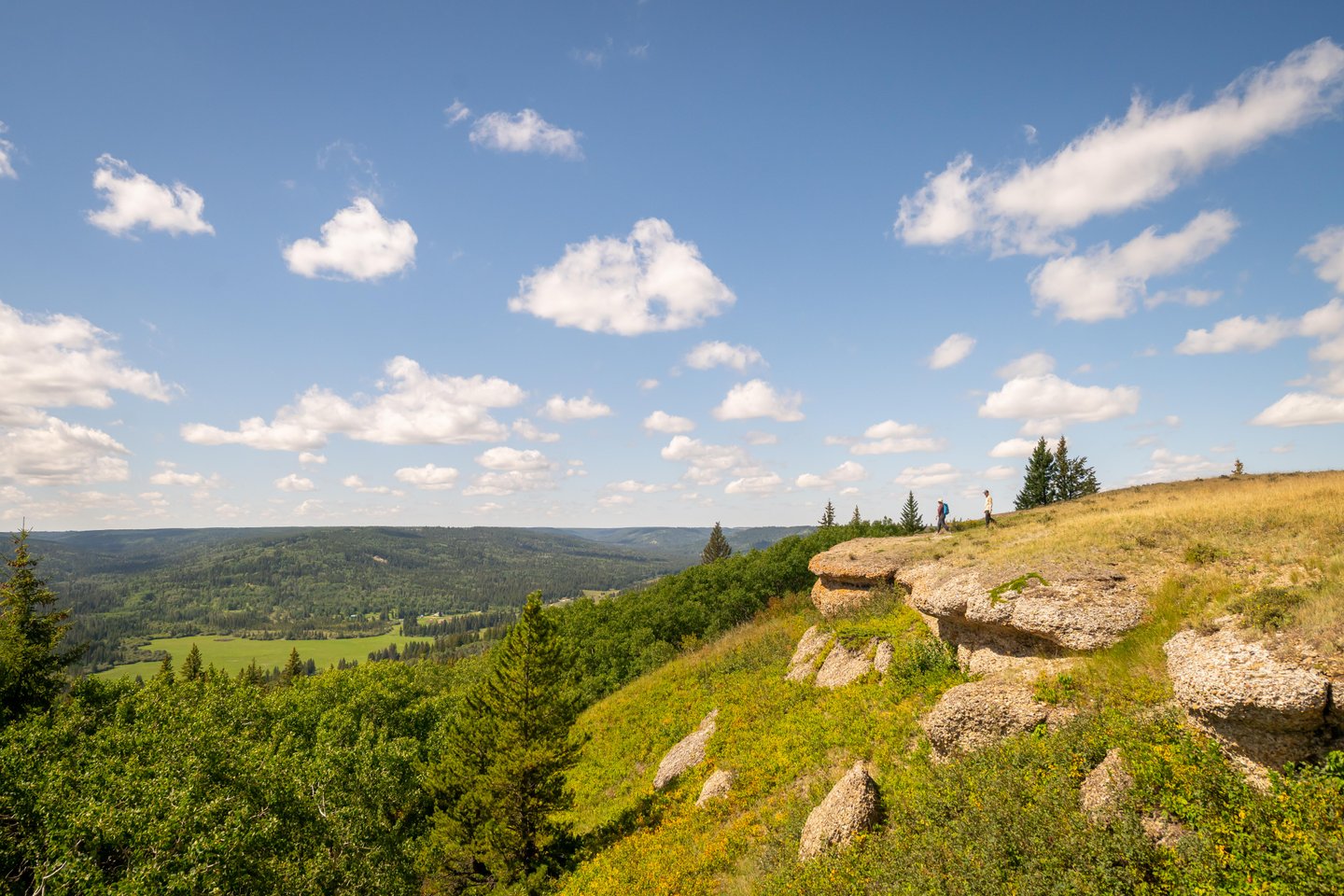
Why it's a hotspot: Mountain birds found nowhere else in Saskatchewan
Rising more than 600 metres above the surrounding grasslands, Cypress Hills feels like stepping into another province, with its cool, subalpine landscape sitting high above the prairie. The result is one of Saskatchewan's most distinct birding destinations, where Rocky Mountain, Pacific and Western species overlap in ways found nowhere else in the province.
Lodgepole pine, white spruce and trembling aspen create ideal habitat for these birds. Species such as dusky flycatcher, MacGillivray's warbler, red-naped sapsucker, western tanager and Pacific wren all occur here. The park is also Canada's only breeding location for the pink-sided subspecies of the dark-eyed junco.
Mature forests and quiet valleys reward patient birders in other ways, too. Cypress Hills is one of the province's best places to find nocturnal species including common poorwill and common nighthawk.
Late May and June, when breeding season gets underway, is a great time to visit. Expect birdsong filling the forest and better viewing prior to the foliage filling out. See nesting behaviour in the summer, including territorial displays of males battling it out and migrants passing through in September before continuing south.
Whether you're chasing your first lifer or hoping to add dozens of new species to your list, Saskatchewan rewards anyone willing to slow down. From saline lakes and internationally important wetlands to native prairie, boreal forest and rugged badlands, few provinces pack so much bird diversity into such varied landscapes.
Time your visit with spring or fall migration and the experience becomes even more memorable. For birders, Saskatchewan is more than a place to visit. It's a destination worth returning to, season after season.

Birding in Saskatchewan's boreal forest in Prince Albert National Park is also a must. Its habitat features a mix of mature spruce, mixed forest, wetlands and countless lakes that draw birds in.
June is the sweet spot. See signature species like boreal chickadees, spruce grouse and black-backed woodpeckers and enjoy the song-filled air, thanks to the sweet trills of sought-after birds like Connecticut and Cape May warblers.
Though it isn’t as easy to get to, the Cumberland Delta is one of North America's largest inland freshwater deltas and one of the country’s most important wetland ecosystems.
For a bit wilder of an experience, spot a variety of birds along its maze of marshes, shallow lakes and winding channels. Waterfowl gather in huge numbers, marsh birds and rails thrive in its dense wetlands, and surrounding boreal adds even more species diversity.
Maybe one of the province’s most overlooked migration hotspots, the Basin and Middle Lakes Migratory Bird Sanctuary is found northeast of Humboldt. Recognized as an Important Bird Area, its shallow wetlands become a welcome stopover for thousands of migrating birds each year.
Expect tundra swans, geese and diving ducks, and an impressive mix of migrating shorebirds found on or near exposed mudflats. Visit during spring or fall when the wetlands are at their busiest.
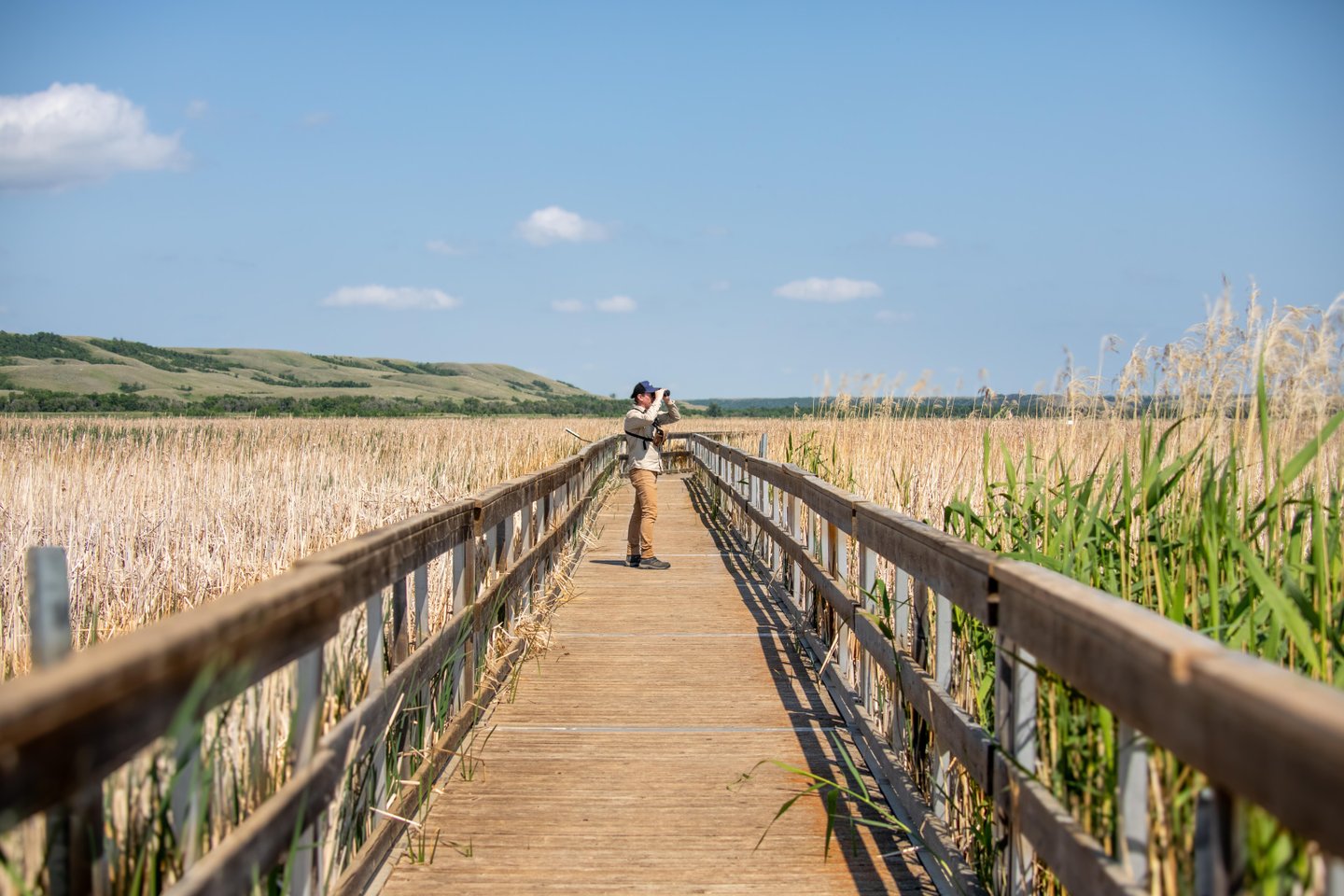
Just 20 minutes from Moose Jaw, walk the trails of Nicolle Flats tucked into Buffalo Pound Provincial Park. This relatively compact area packs an impressive variety of habitats into one landscape.
Aspen stands, riparian marsh, lake, native grassland and the Qu'Appelle River Valley blend together here, creating one of southern Saskatchewan's most productive migration stopovers. Spring is especially rewarding, with warblers, flycatchers, sparrows and waterfowl moving through.
Some of Saskatchewan's most memorable birding happens smack dab in the heart of Regina: Wascana Centre has built a reputation among local birders for producing unexpected surprises.
Over the past year, everything from whooping cranes and snowy egrets to burrowing owls, black-billed cuckoos and even boreal chickadees have turned up here. You never quite know what might appear, and that's part of the appeal. Whether you have an afternoon to explore or an hour between meetings, Wascana Centre is a reminder that great birding isn't limited to remote wilderness.
 Jenn Smith Nelson is the founder of nature-based tour company, the Wild View, and a seasoned freelance travel wildlife writer and photographer. She also co-authored 110 Nature Hot Spots in Manitoba and Saskatchewan.
Keen to see what’s flying in? Check out the many different tours offered by thewildview.ca.
Tags


